
Wallet for 10+ Cards: How to Carry More Without the Bulk
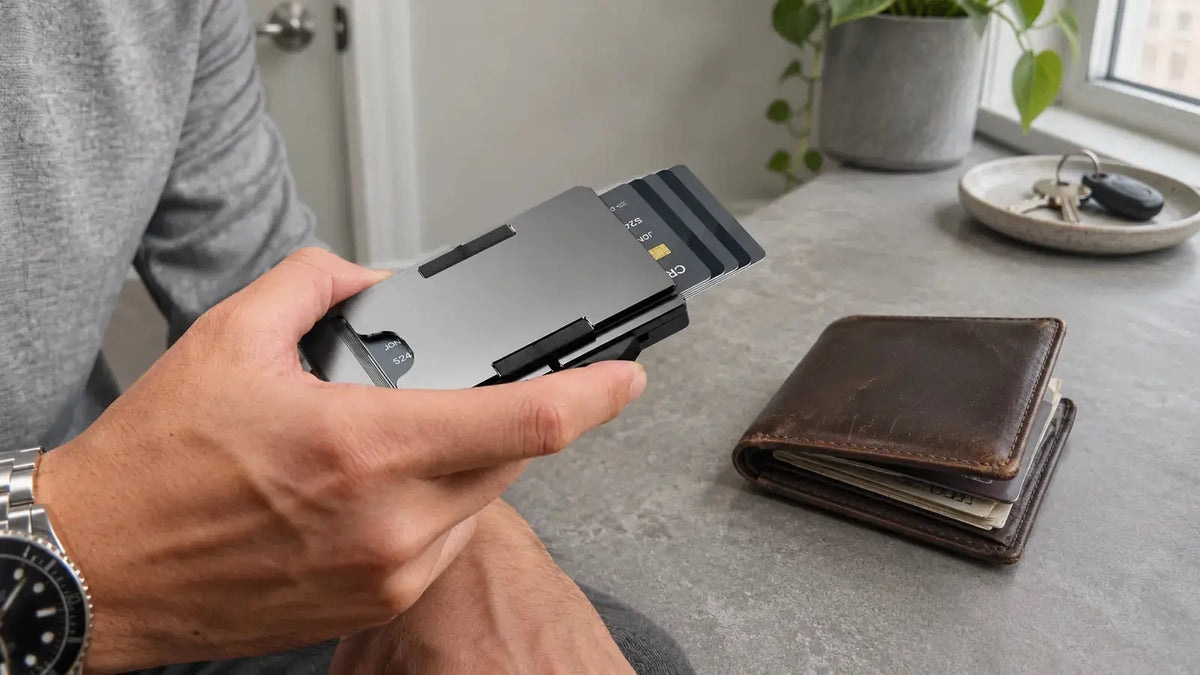
Carrying 10, 12, or even 20 cards doesn't automatically mean you need a thick bifold. What matters is how those cards are divided: the ones you reach for every day should be easy to access, while the rest need secure, organized storage. For most people carrying more than ten cards, a wallet with a quick-access section and a separate expandable section makes more sense than trying to squeeze everything into a single card-ejection chamber.
Here's how to shop for a wallet that holds lots of cards without getting distracted by one big capacity number—and how to decide whether a high-capacity design is worth the extra size.
First, Understand What “Holds 20+ Cards” Really Means
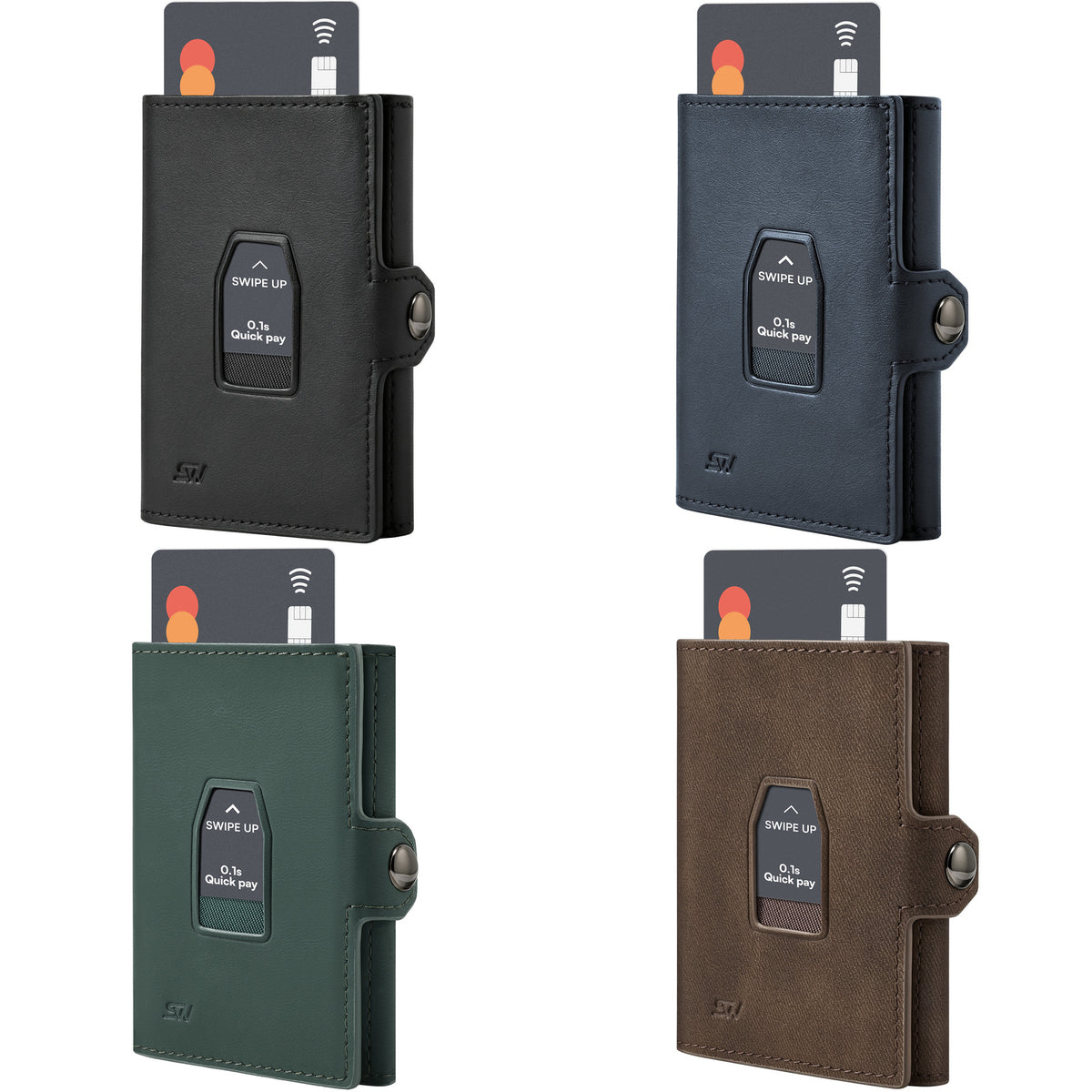
A manufacturer's maximum card count is not the same as the number of cards you can comfortably access in everyday use. A wallet may advertise space for 20 or more cards, yet only a smaller number belong in its pop-up mechanism. The remaining cards go in a separate storage area.
That distinction matters for three reasons:
- Speed: The cards in the quick-access chamber are the ones you can retrieve most conveniently.
- Bulk: Every extra card adds material, regardless of how compact the empty wallet looks in photos.
- Fit: Embossed cards, cash, and an ID can change how a fully loaded wallet closes and feels.
Shopping rule: When comparing a 10-card wallet or a 20-card wallet, look for quick-access capacity and additional storage capacity as separate specifications. Don't assume every card can pop up at once.

A Practical 12-Card Setup: Six You Use, Six You Keep
Think about a person who carries 12 cards: a primary credit card, debit card, driver's license, transit card, work badge, health insurance card, and six less frequently used membership or backup cards. The smartest storage plan isn't necessarily putting all 12 in one stack.
Instead, arrange them by how often you actually need them:
- Daily-access group: Put up to six frequently used, compatible cards in the pop-up chamber, following that model's stated limit.
- Occasional-use group: Keep your remaining cards in the wallet's separate expandable section.
- Special items: Give your ID, bills, or coins their own dedicated place only if the specific wallet design supports it.
This is an illustrative packing plan, not a physical fit test. Real-world results depend on card thickness and the exact wallet version. A card with raised lettering may take more room than a flat card, and a work badge may not be the same thickness as a bank card.
For someone who regularly uses only four or five cards, this arrangement can keep payment cards accessible without making every backup card part of the daily checkout routine.

What Changes the Fit of a High-Capacity Wallet?
1. Flat cards versus embossed or thicker cards
Card-count claims are usually easiest to interpret with standard flat cards. Raised numbers, protective sleeves, access badges, and unusually thick cards can reduce usable capacity. If your wallet has a mechanical ejection system, follow the maker's guidance rather than forcing a larger stack into the chamber.
2. Cash and receipts share your pocket space
A wallet might have room for 15 extra cards and still feel bulky once you add folded bills, receipts, or coins. A dedicated money clip holds bills differently from a stretch pocket. The better choice depends on what you actually carry—not which feature list looks longer.
If cash is a major part of your daily carry, see our pop-up wallet selection guide for a closer look at card and cash storage trade-offs.
3. Loaded dimensions matter more than empty dimensions
A slim-looking product shot shows only the empty wallet. Before buying, look for photos or videos that show the wallet loaded with the number of cards you expect to carry. Compare the side profile, how the storage section closes, and whether you can remove one card without unloading the rest.
There is no universal “comfortable 20-card thickness”: comfort depends on pocket size, clothing, card mix, and whether you sit with the wallet in your pocket.
What a Two-Zone Wallet Looks Like in Practice
A two-zone design is useful because it turns one crowded stack into two separate jobs. SLIMWALT’s Magic Space range is one example of this design: the linked versions list a pop-up chamber for six cards plus an expandable compartment for up to 15 additional cards. That is an advertised layout, not proof that every combination of 21 cards will fit comfortably.
The variants differ mainly in what they do besides storing extra cards:
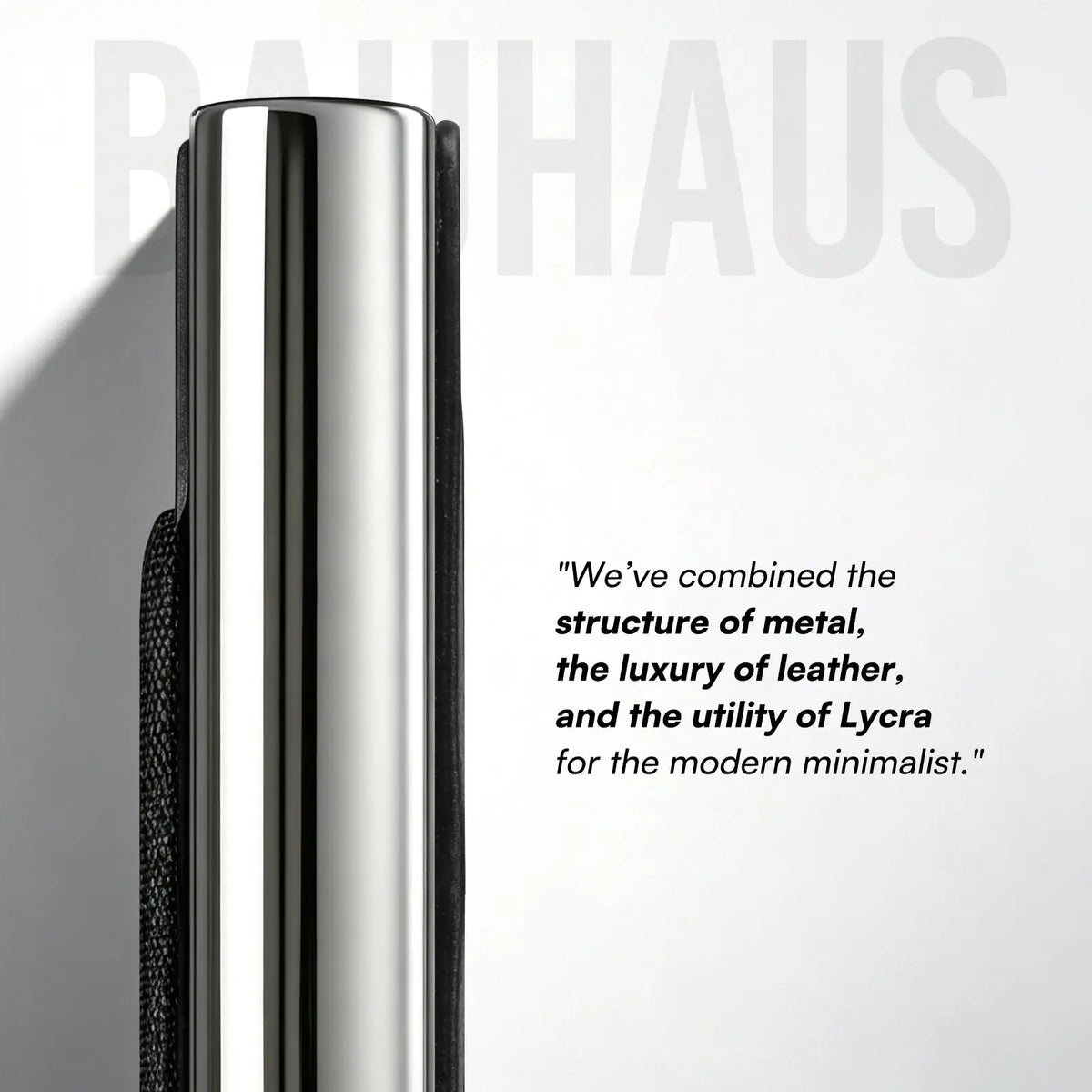
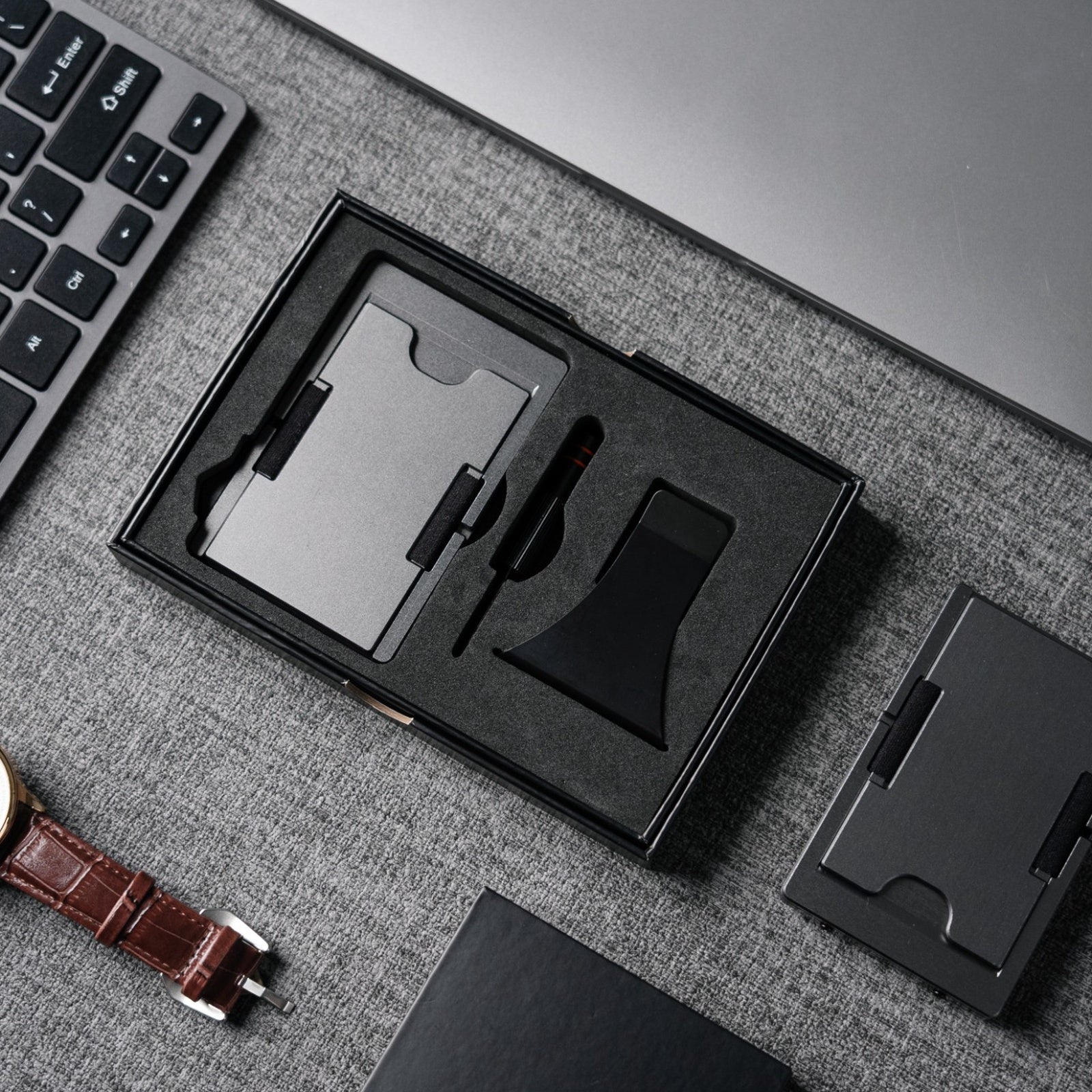
- Magic Space Pro: All-metal exterior and money clip. A match for someone who prefers a rigid frame and primarily carries cards plus bills.
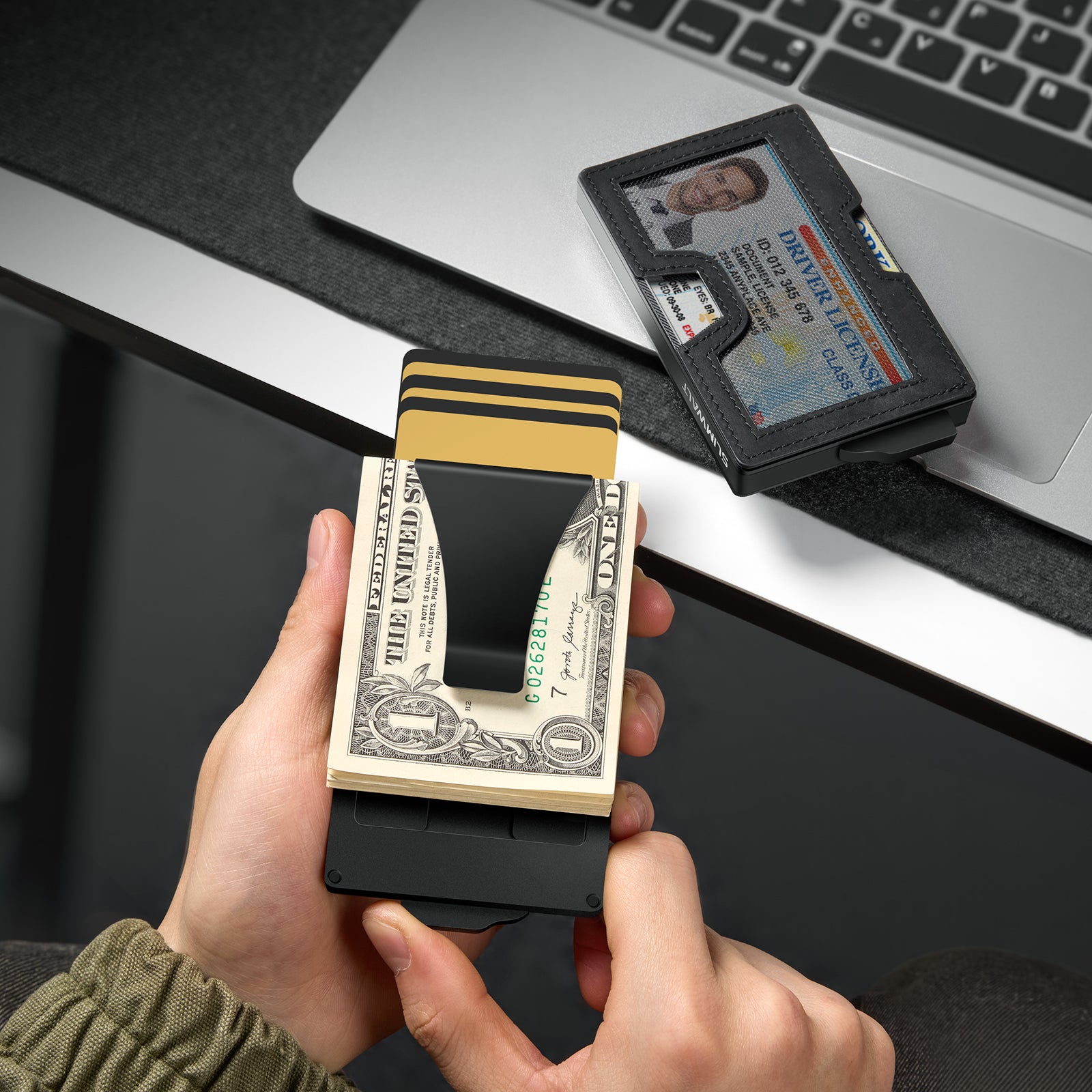
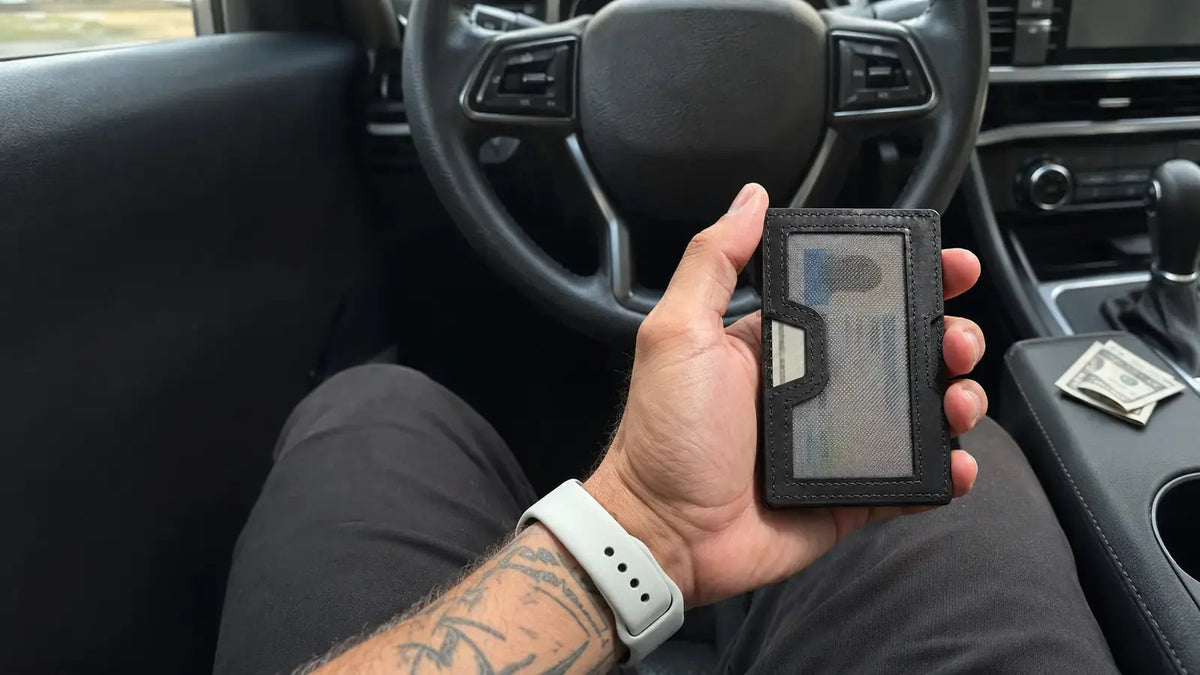
- Magic Space Pro 2.0: Adds a separate ID window and integrated money clip. Relevant if the ID itself needs a designated place.
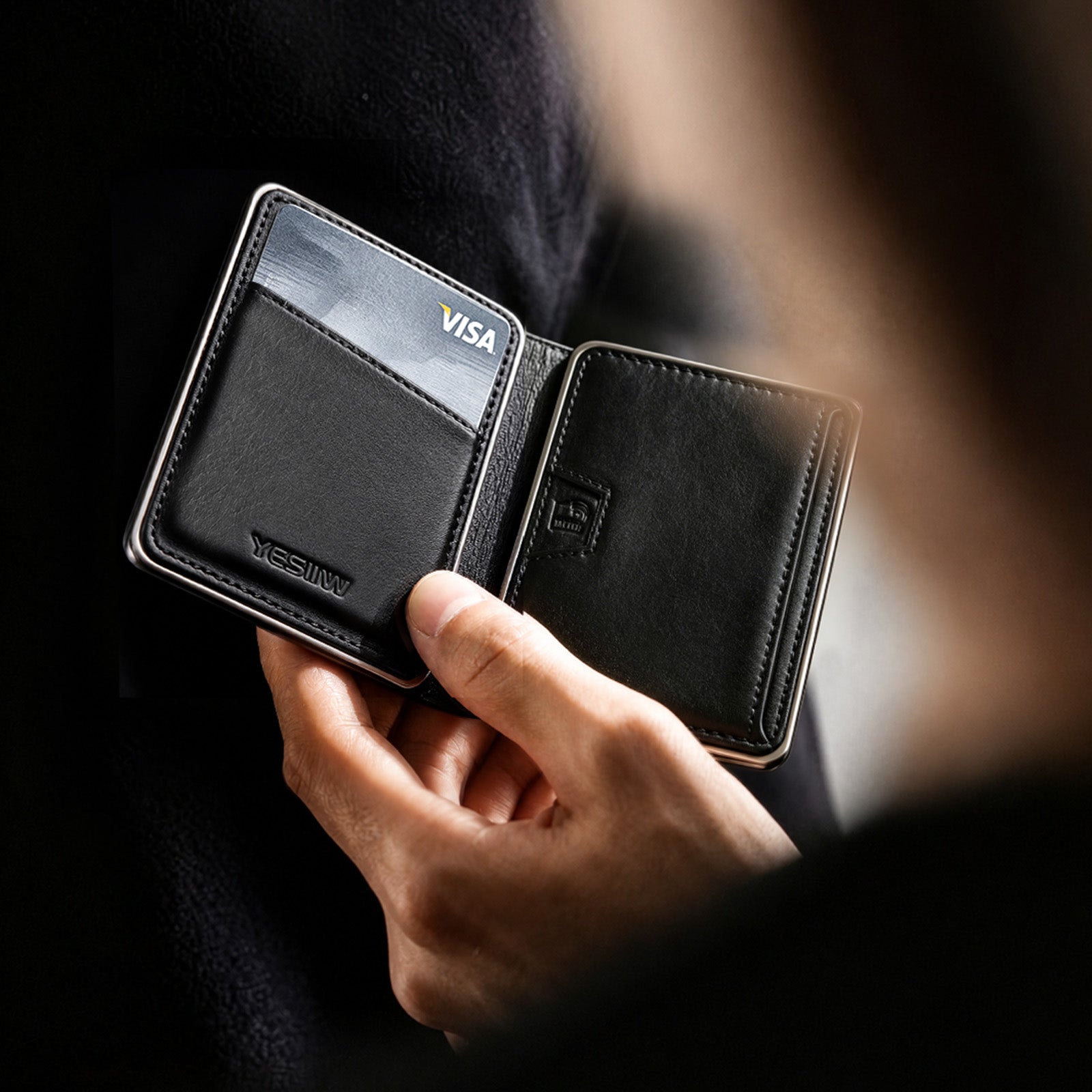
- Magic Space Air — Lycra Money Pocket version: Uses a flexible cash pocket, which is more relevant to someone carrying folded cash or small essentials alongside extra cards.
Notice what we aren’t doing here: treating three wallets with similar card-count claims as interchangeable. The useful comparison is whether you need a clip, ID window, or flexible pocket. Also, Magic Space Air comes in multiple versions; the Lycra Money Pocket features above belong to the specifically linked version. Manufacturer pages show some inconsistent bill-capacity descriptions, so check the selected variant if cash capacity is critical.

Choose Your Wallet by Your Actual Card Count
Use this as a starting point for deciding what kind of design to look for—not as a promise that a particular wallet has been tested with your personal card mix.
- 8–10 cards: A wallet with a limited quick-access section plus a modest secondary compartment may be sufficient. You may not need a model advertised for 20+ cards.
- 11–15 cards: Separate the cards you use daily from those you carry just in case. Look for a clear distinction between mechanical chamber capacity and additional storage.
- 16–20+ cards: Pay particular attention to loaded photos, opening and closing behavior, and whether extra cards stay easy to retrieve. “20+” should be treated as an advertised upper range, not a guarantee for every combination of cards and cash.
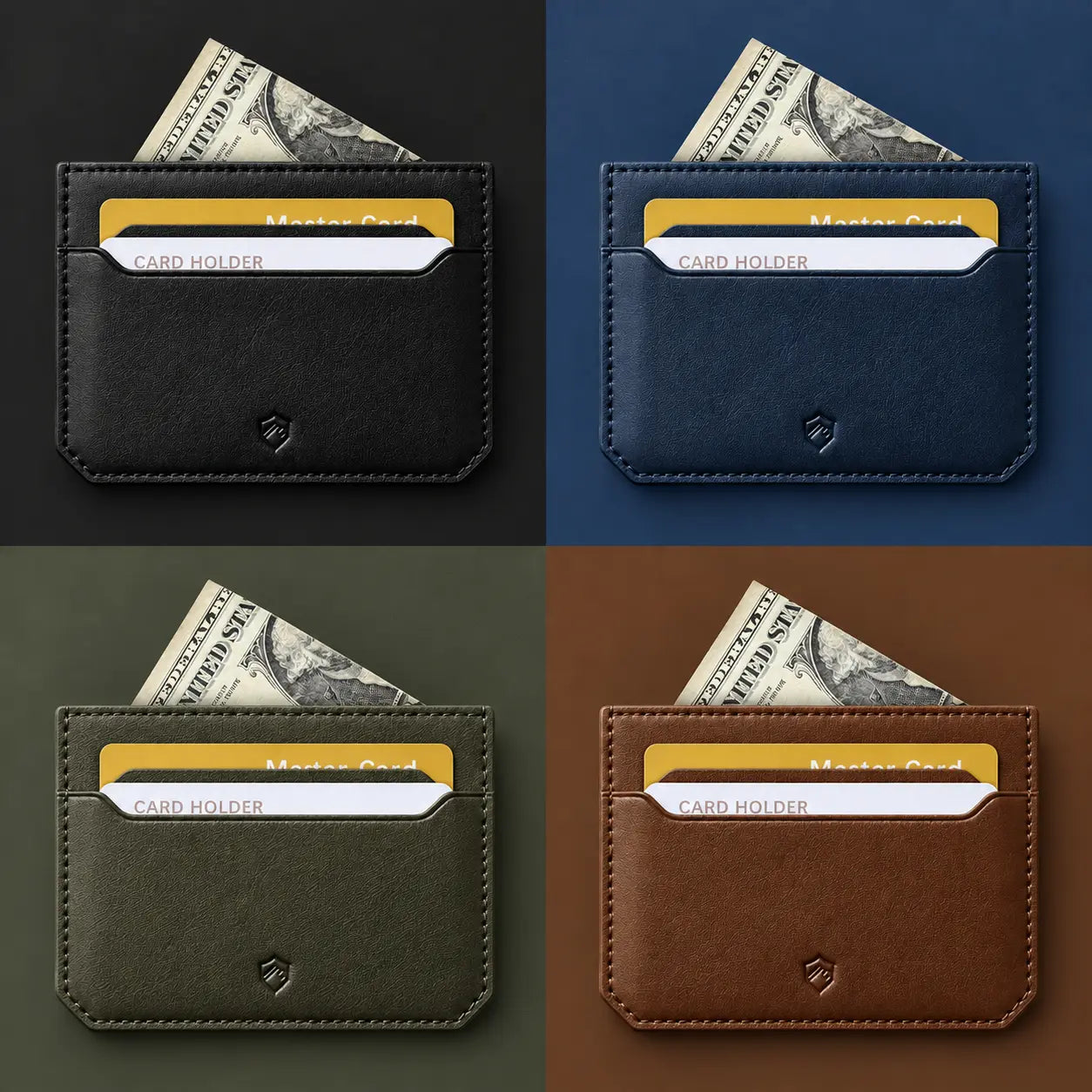
And if you carry only three to five cards with little or no cash? A smaller cardholder may be the more sensible purchase. Buying more capacity than you use can mean carrying more wallet than you need.
The Two-Minute Check Before You Buy
- Lay out your real cards. Include any thick work badges or embossed cards rather than using only flat credit cards.
- Mark your top five or six. These should be the cards you expect to access quickly.
- Count what remains. This is the secondary-storage capacity you actually need.
- Add cash and ID requirements. Decide whether a money clip, flexible pocket, or ID window serves a real purpose.
- Look for loaded product evidence. Find a photo or demonstration with a comparable card count, not just the wallet closed and empty.
Before finalizing, check the exact variant's published specifications and return policy. If you're near its maximum stated capacity or use unusually thick cards, ask the seller to demonstrate a comparable load rather than assuming the advertised maximum will suit you.

How to Evaluate a “20-Card Wallet” Demonstration
Before you trust a video showing a wallet full of cards, check what the demonstration actually proves:
- Does it show all the cards? A six-card pop-up demonstration is not evidence of how the secondary compartment behaves with another 14 cards.
- Are the cards realistic? A stack of identical flat display cards may fit differently from your mix of embossed bank cards, insurance cards, and badges.
- Can the user get one card out? Watch for access to a card in the middle of the expansion section, not only the easiest card on top.
- Does it still close properly? A wallet that can be stuffed is not automatically a wallet that works comfortably when carried.
If you're buying for 18–20 cards, ask for a continuous demonstration showing the loading, closing, and removal steps. That provides more practical evidence than a maximum number printed beside an empty wallet.
Bottom Line: More Capacity Only Helps If You Can Use It
A good wallet for 10 or more cards does two jobs: it keeps frequently used cards immediately accessible, and it stores less-used cards without turning every checkout into a search through one giant stack.
For high-capacity shoppers, the key choice is not simply 10 cards versus 20 cards. It's how many cards must be quick to reach, where the rest will go, and what happens once you add cash and an ID.
If you've counted your cards and know you need two separate storage zones, explore the Magic Space Pro, Magic Space Pro 2.0, or Magic Space Air with Lycra Money Pocket to see which layout best matches your daily carry.

SLIMWALTが執筆

コメントを書く
このサイトはhCaptchaによって保護されており、hCaptchaプライバシーポリシーおよび利用規約が適用されます。