
How to Choose a Pop-Up Wallet: Card Capacity, Cash Storage & Fit
A pop-up wallet can make your everyday cards easier to reach. But before choosing one, check whether its storage layout fits what you actually carry. A wallet that holds six cards in its pop-up chamber is a different proposition from one that holds six there and additional cards elsewhere.
Start with your card count, decide how you want to carry cash, and compare the wallet's size when loaded. Those three checks will tell you more about everyday fit than an empty-wallet photo.

1. Start With the Cards and Cash You Carry
Empty your current wallet and separate the contents into three groups:
- Frequently used cards: the payment cards and identification you reach for most often.
- Occasional-use cards: backup payment cards, membership cards, or other cards you still need to carry.
- Cash and extras: bills, receipts, coins, and anything that does not fit a standard card slot.
Count the cards you intend to put back. Then ask which ones need quick access. If you carry twelve cards but regularly use only four, a wallet with a pop-up chamber and separate extra storage may suit your routine. You do not necessarily need every card in the same compartment.
If you carry only a few cards and rarely use cash, a simpler cardholder may be enough. If coins and unfolded bills are essential, look closely at how a particular design accommodates them before switching.
2. Separate Pop-Up Capacity From Total Capacity
This is one of the most useful distinctions when comparing pop-up wallets.
Pop-up capacity is the number of cards held in the chamber operated by the button or lever. Total capacity includes cards stored in other sections, such as exterior slots, a folding cover, or an expandable compartment.
A wallet advertised for twenty cards does not necessarily lift twenty cards with one press. The extra cards may need to be removed manually from another section.
Before buying, check:
- How many cards fit in the pop-up chamber?
- Where do the additional cards go?
- How do you remove cards from that extra storage?
- Does cash share space with those cards?
For example, the SLIMWALT MAGIC SPACE PRO lists a six-card pop-up case and separate Magic Space storage for up to fifteen additional cards. The extra storage expands total carrying capacity; those additional cards are not part of the six-card pop-up stack.
For someone carrying several cards, that layout offers a way to separate frequent-use cards from the rest. For someone carrying very few, the additional storage may be unnecessary.

3. Check Card Thickness and Everyday Access
Card count is only part of the capacity question. Raised lettering, thicker cards, and accessories can change how much fits inside a rigid chamber. Check the manufacturer's guidance for the cards you use, especially if you carry embossed cards or a tracker card.
Do not force extra cards into a chamber simply because the wallet's total capacity sounds larger. Use the stated limit for that specific compartment.
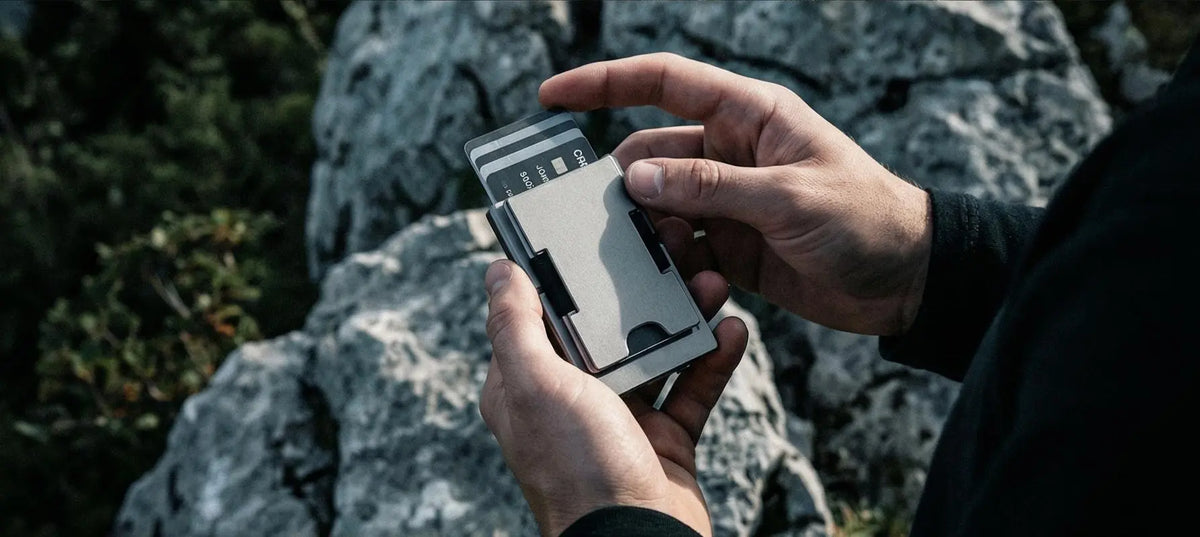
Product demonstrations should also show more than the cards rising. Look for whether you can identify the card you want, remove it, and return it comfortably. Notice where the control sits and how the person holds the wallet while operating it.
When your wallet arrives, check it with your usual card combination over a table or other safe surface. Follow the loading instructions and make sure the cards stay seated during ordinary handling. A smooth demonstration with one card combination does not establish how every combination will behave.
4. Choose Cash and ID Storage Around Your Routine
Cash storage can change the way a compact wallet feels and functions. Choose it according to how often you use bills, how you prefer to fold them, and how much access you need.
| Storage option | What to consider |
|---|---|
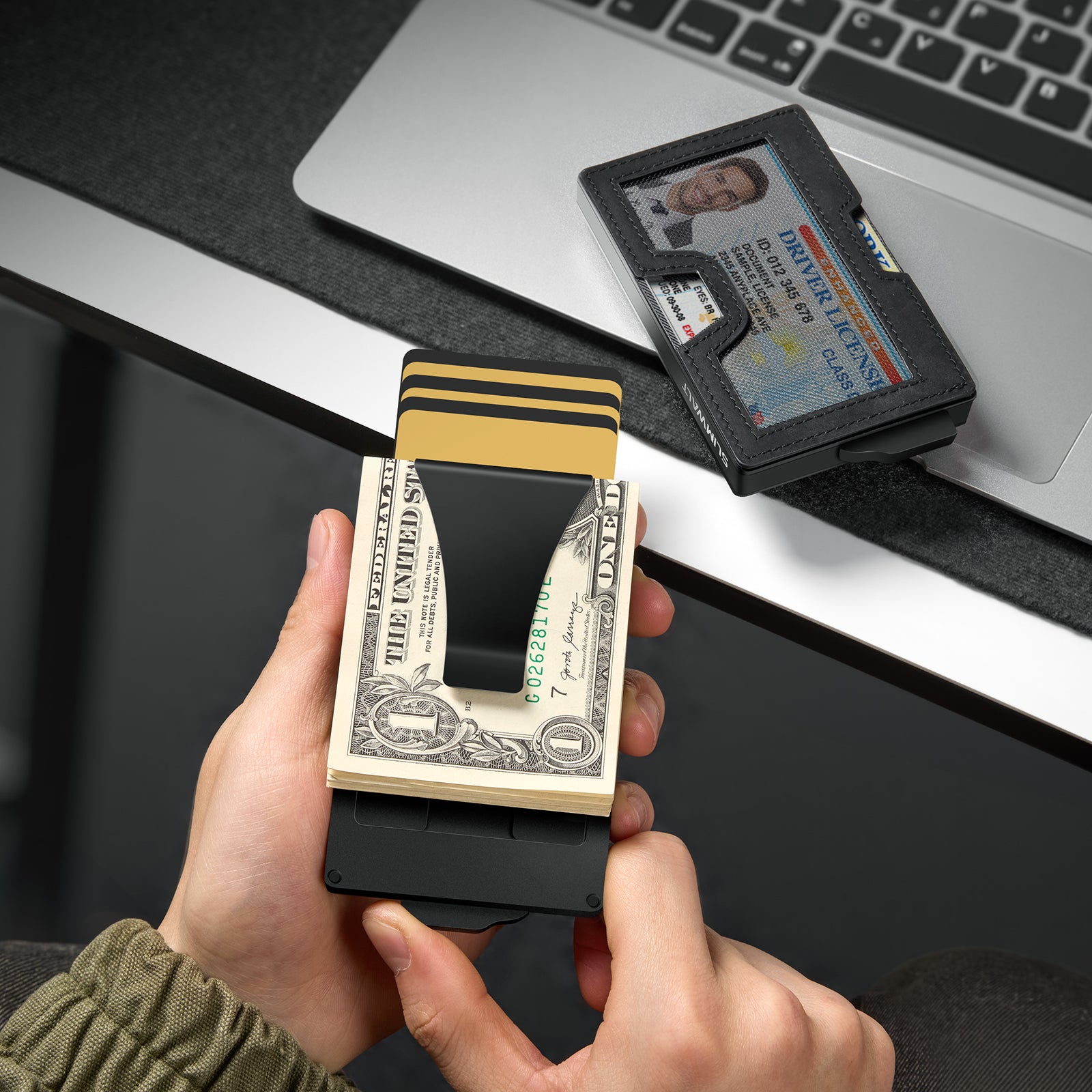
| Money clip | How folded bills sit under the clip, how easily you can remove one, and how the loaded clip feels in your pocket. |
| Cash strap or band | Whether it holds your usual cash amount securely and whether bills share space with other items. |
| Cash pocket | How bills must be folded and whether the pocket remains convenient when the wallet is full. |
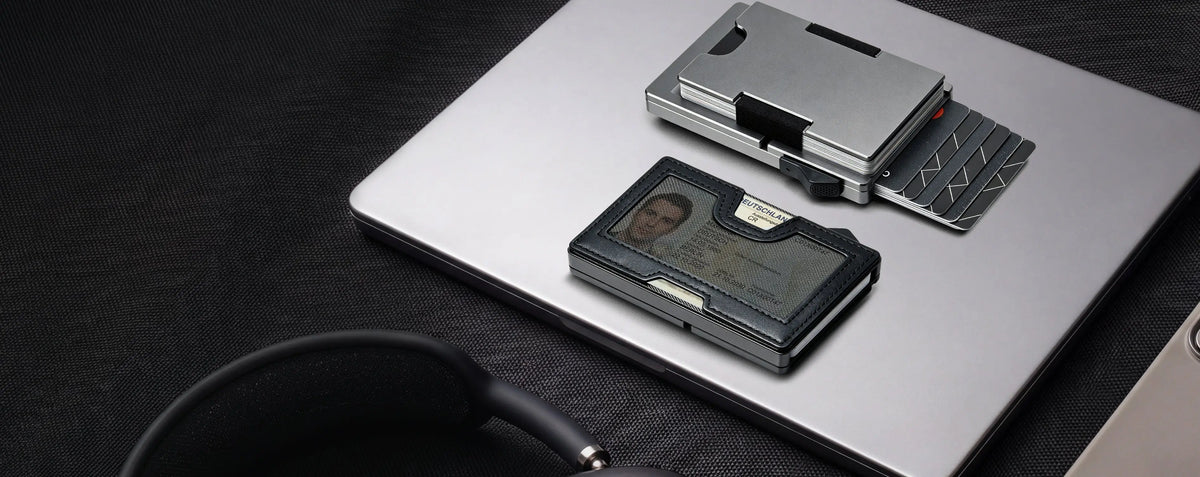
| ID window | Whether you frequently need to show your ID and how easily the card can be removed when required. |
An ID window can be useful, but it does not guarantee you will never need to remove your license. Similarly, a wallet that holds bills does not automatically include space for coins.
Check the exact model and variant. Similar-looking wallets within one collection can have different cash attachments or ID arrangements.

5. Judge Pocket Fit With the Wallet Loaded
An empty wallet's thickness gives you a starting point. It does not show how the wallet will feel with your cards and cash inside.
Look for side-view images showing a realistic load. Expandable sections need room to expand, and folded bills add thickness. Carrying more cards inevitably adds material, even when the wallet keeps them neatly organized.
For a useful comparison with your current wallet, use the same contents in both. Removing half your cards from the new wallet would not tell you how the two designs compare for your actual routine.
Consider width, height, weight, edges, and attachments as well as thickness. A rigid metal body may feel different from a flexible wallet even when their dimensions are similar. If you use a front pocket, check how the loaded wallet feels when you sit down and whether it shares the pocket comfortably with anything else you carry.


6. Match the Layout to Your Daily Carry
Use this as a starting point when comparing designs:
| Your routine | A layout worth considering |
|---|---|
| A few essential cards and little cash | A compact pop-up cardholder with minimal extra storage. |
| Several cards, with a smaller group used frequently | A pop-up chamber plus separate additional card storage. |
| Cards and folded bills used regularly | A pop-up wallet with a cash attachment or pocket that suits your usual load. |
| Frequent ID checks | A model with an accessible ID slot or window. |
| Coins, receipts, and unfolded bills carried daily | A wallet designed around those items, which may be a more traditional format. |
There is no need to choose the largest capacity available. Choose enough usable space for your routine, with an access method you find comfortable.
A Pop-Up Wallet for Frequent-Use Cards and Extra Storage
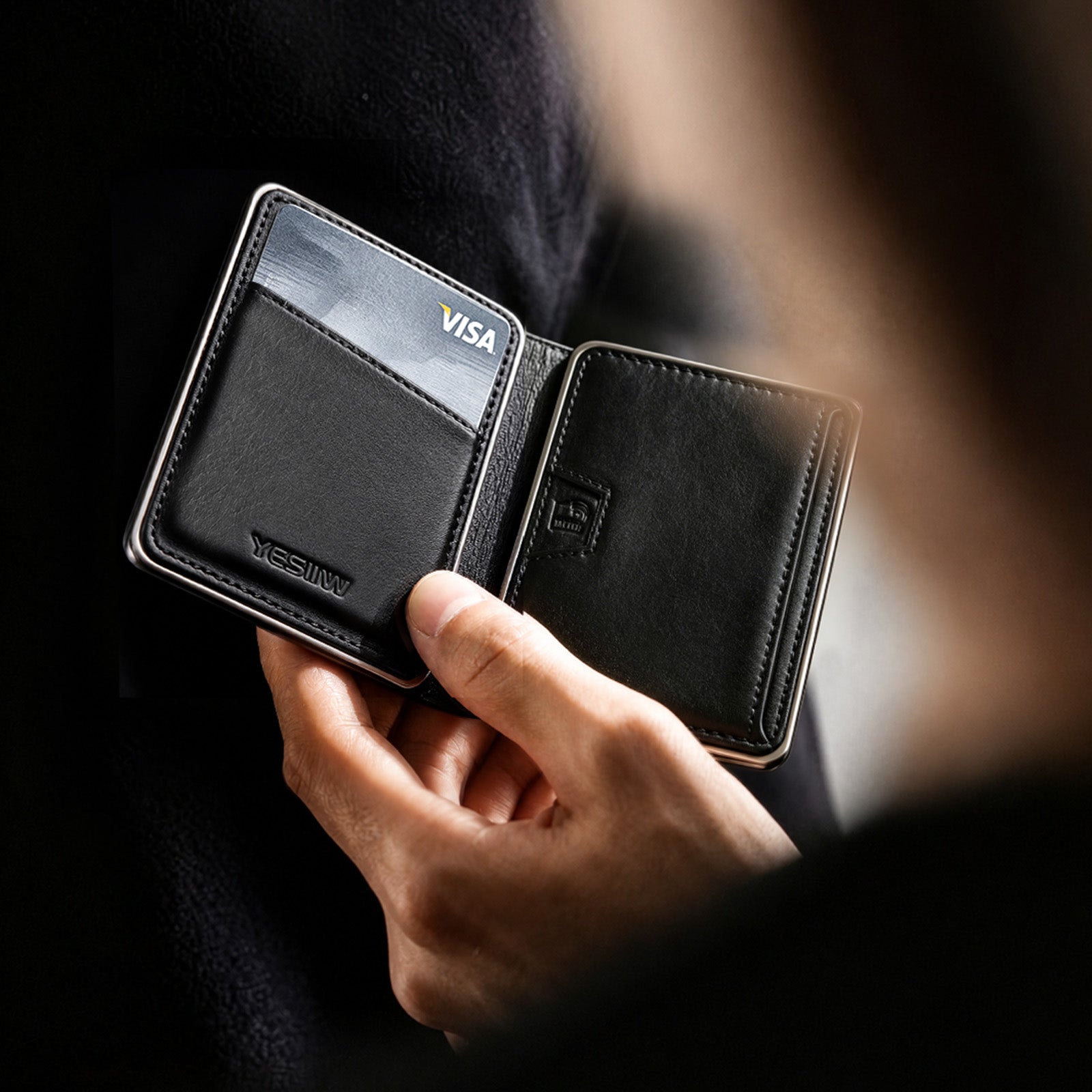
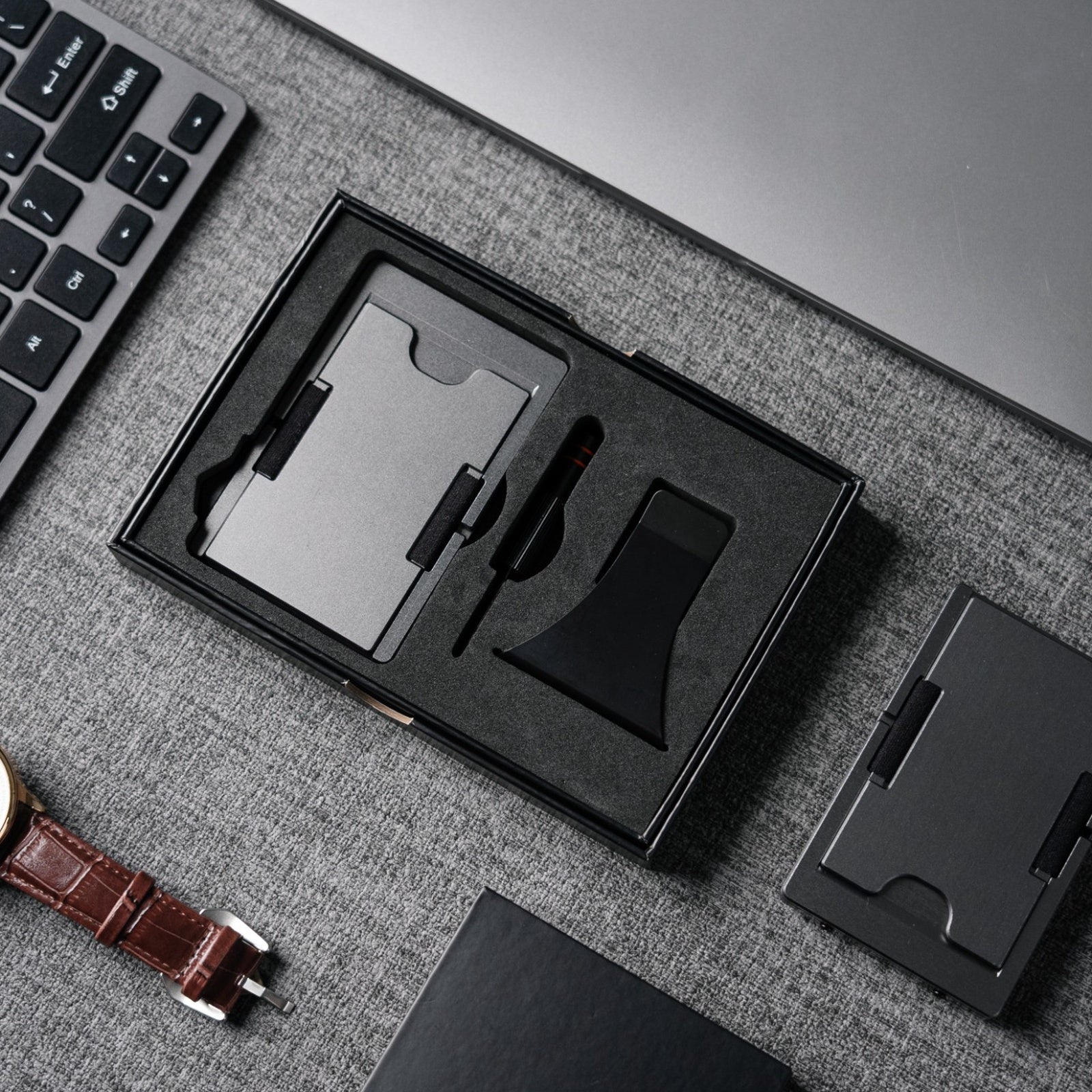
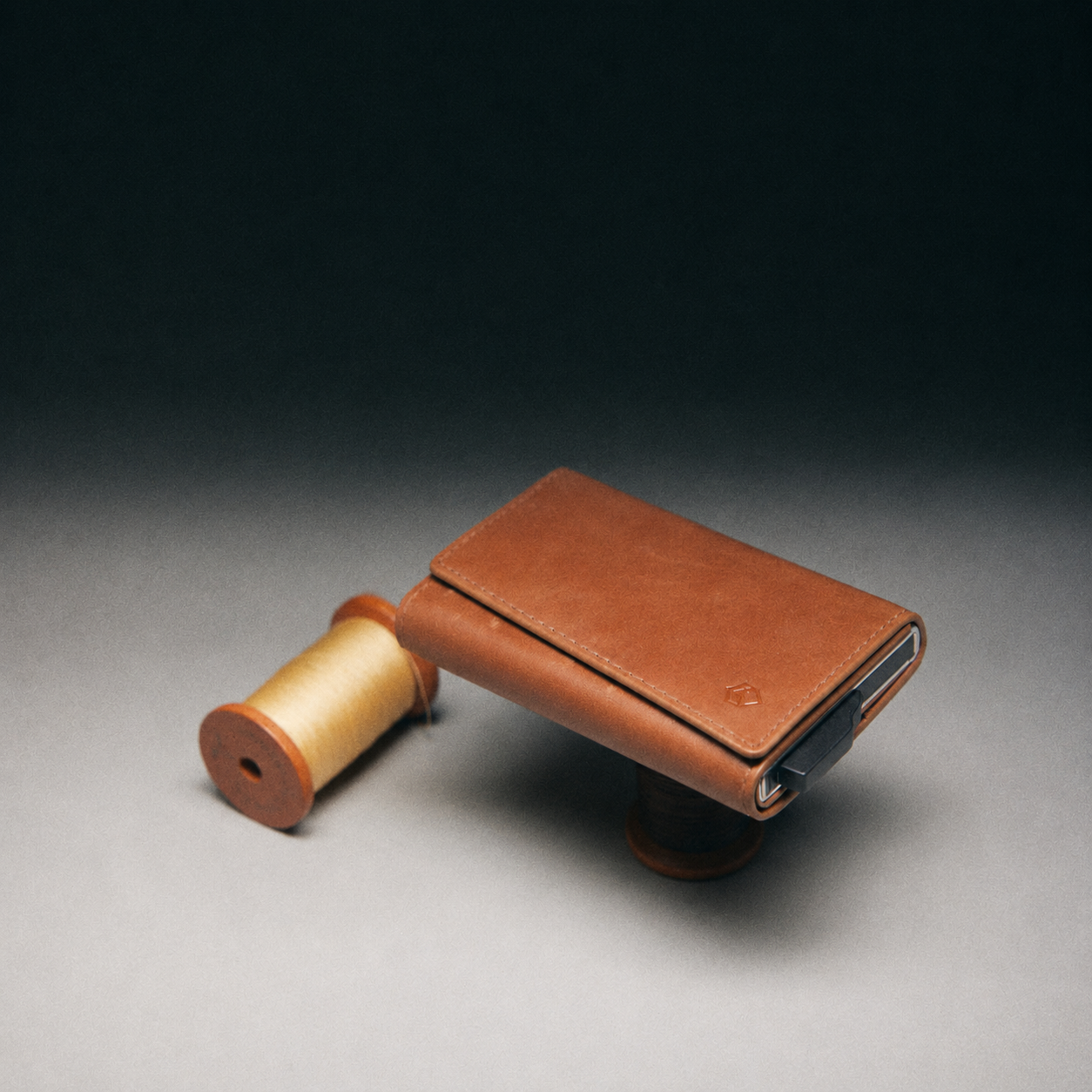
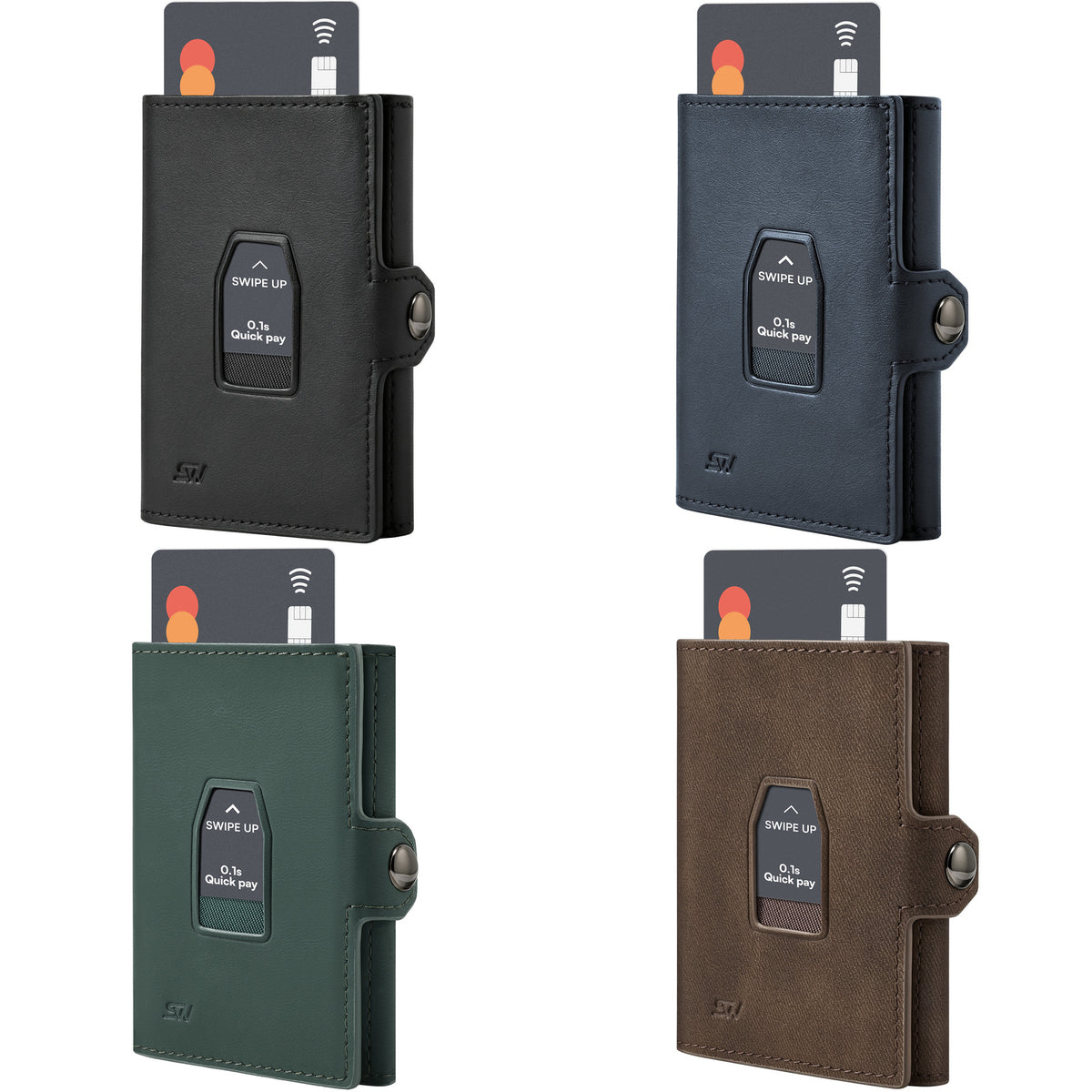
If you need more storage than a basic cardholder offers, the MAGIC SPACE PRO metal pop-up wallet is one option to consider. Its published specifications list a six-card pop-up case, an expandable Magic Space section for up to fifteen additional cards, and a detachable money clip.
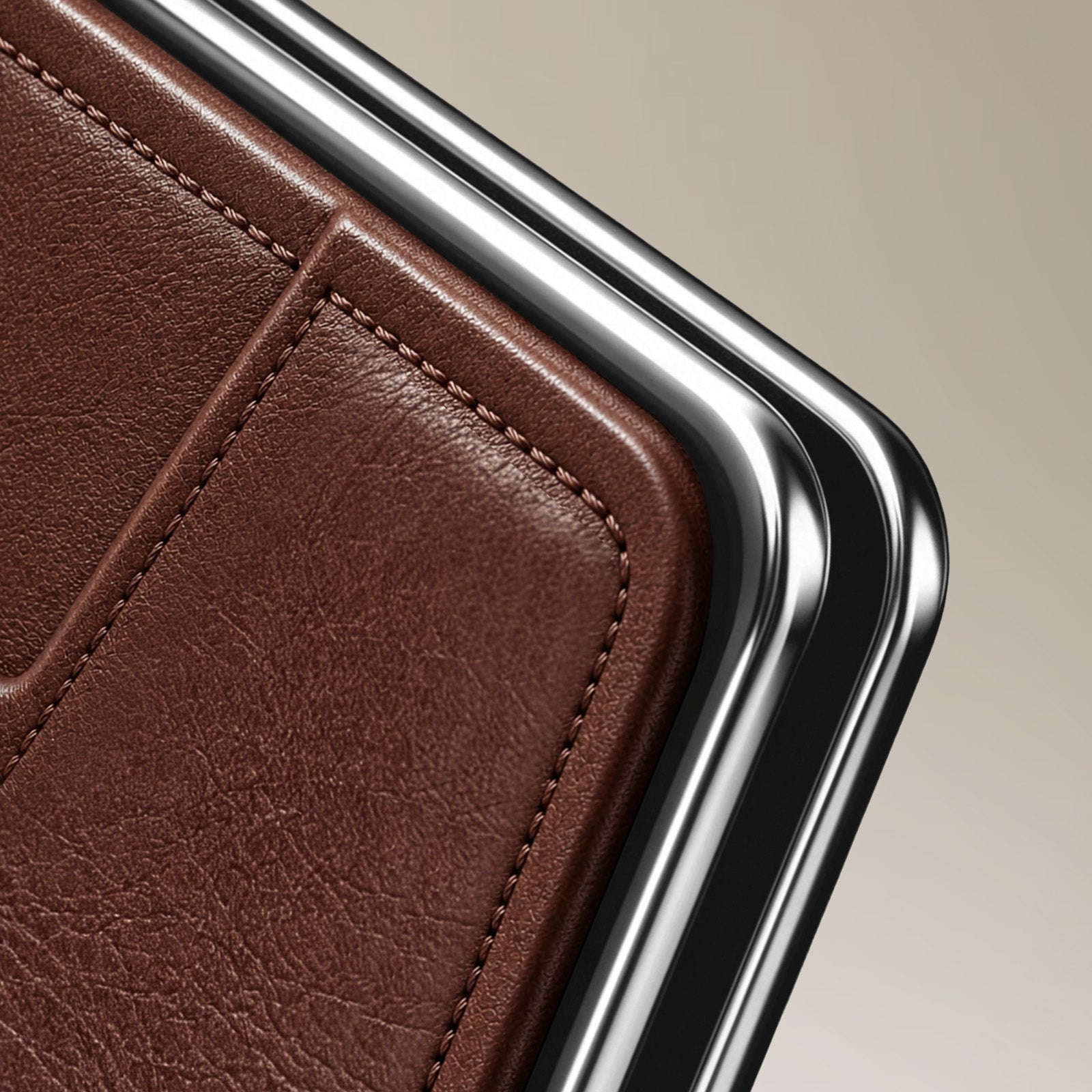
That arrangement lets you keep frequently used cards in the pop-up chamber and additional cards in a separate section. The aluminum construction and modular clip are worth considering alongside the wallet's weight and the thickness of your intended load.
Compare those details with what you carry each day. If the layout matches your needs, view MAGIC SPACE PRO specifications and available colors.
Frequently Asked Questions
How many cards can a pop-up wallet hold?
Capacity depends on the model and the compartment. Check both the pop-up chamber limit and total storage capacity. Additional slots or expandable sections can hold cards that do not move with the pop-up mechanism.
Do all the cards pop up in a high-capacity wallet?
Not necessarily. Only cards in the mechanism's chamber pop up. Cards stored in separate pockets or expandable sections are accessed separately. Check the product's compartment-by-compartment specifications.
Can a pop-up wallet carry cash?
Some models include a money clip, strap, or cash pocket. Others are primarily cardholders. Check how bills fit and whether carrying them reduces the space available for extra cards.
Can I put embossed cards in a pop-up wallet?
Check the manufacturer's instructions. Embossed cards can take up more space than flat cards, so the usable card count may be lower. Never force cards into a chamber beyond its specified capacity.
Will a twenty-card wallet stay as thin when full as when empty?
No. Additional cards and bills add thickness, particularly in expandable storage. Compare loaded examples and choose a capacity that stays comfortable for your pocket and routine.

Written by SLIMWALT

Leave a comment
This site is protected by hCaptcha and the hCaptcha Privacy Policy and Terms of Service apply.