
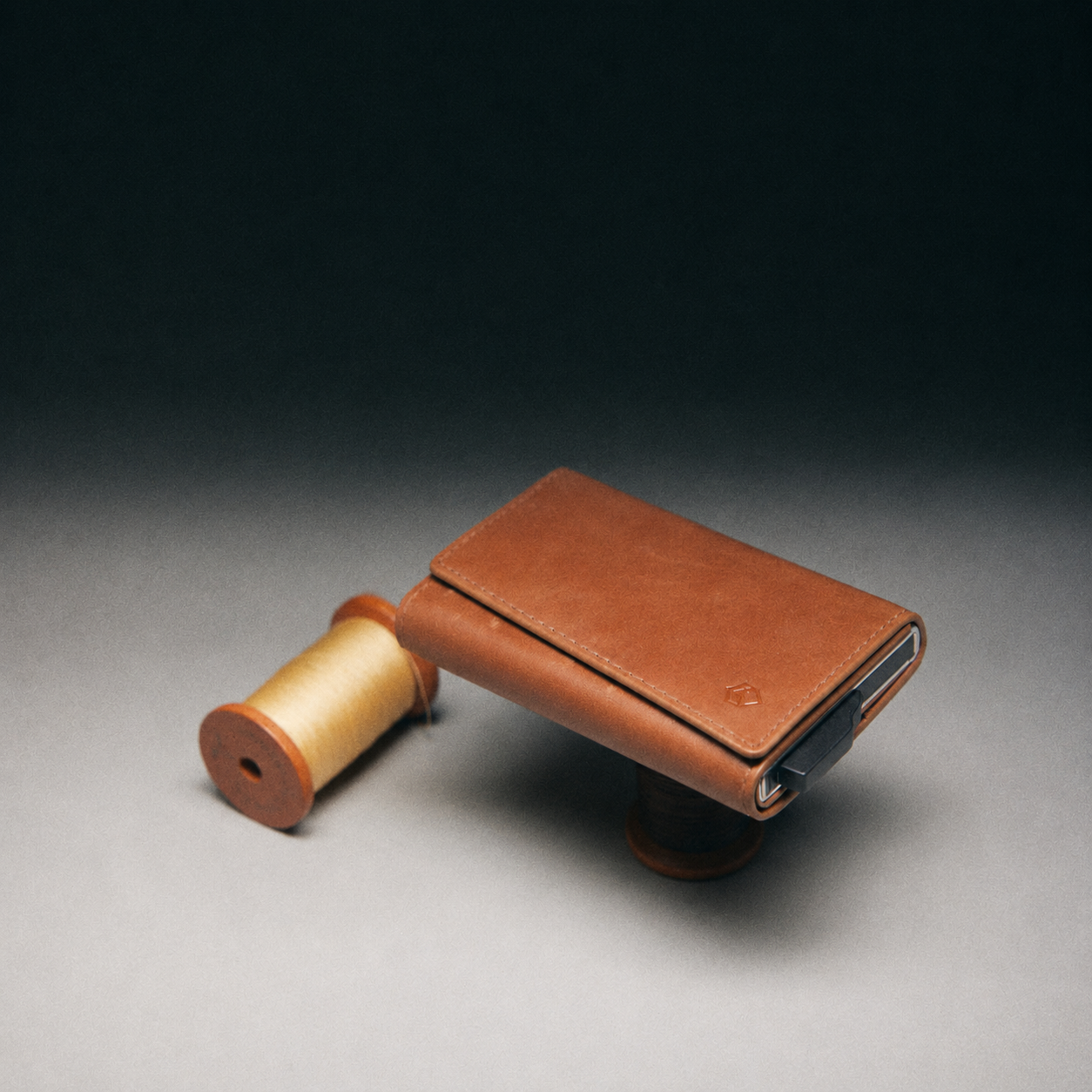
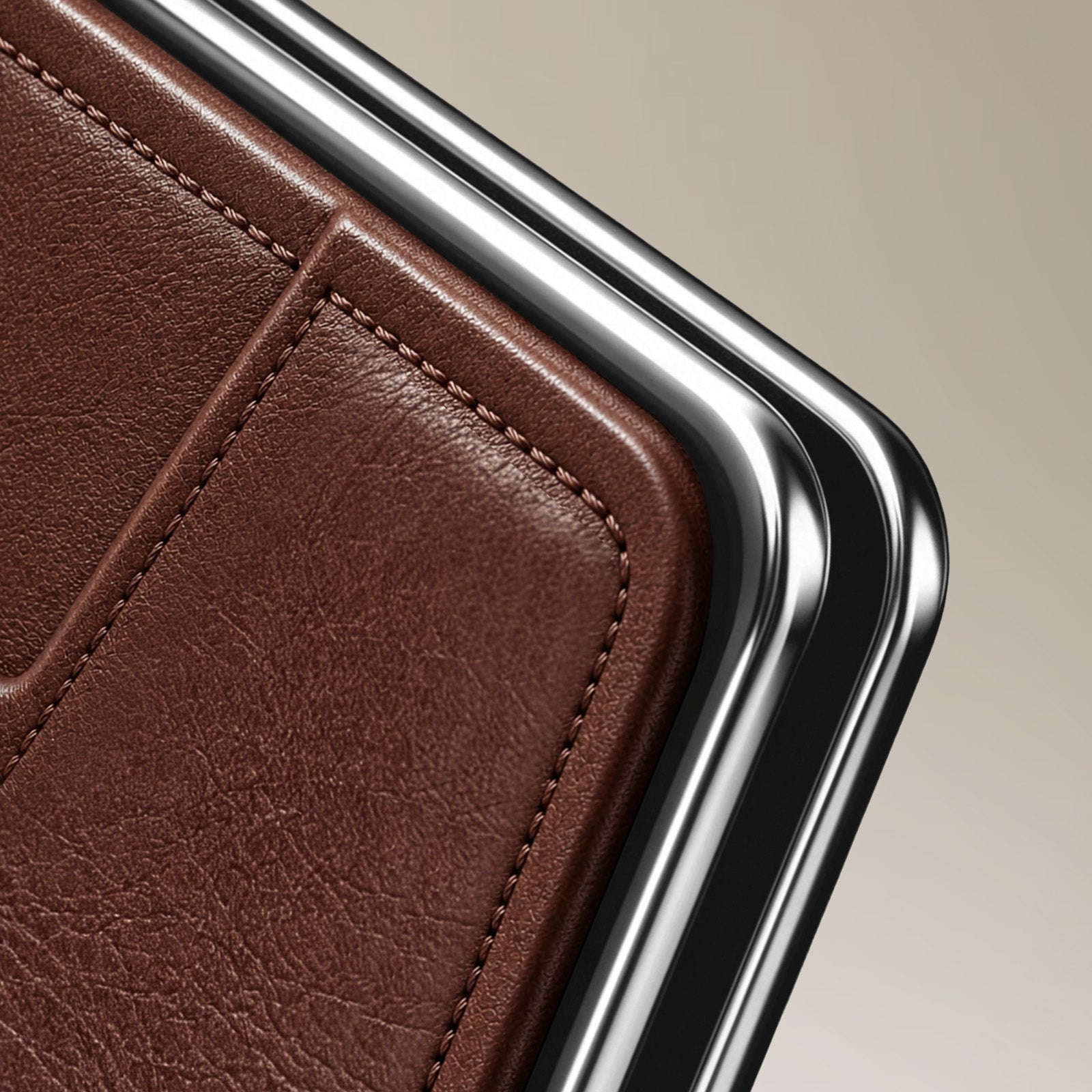
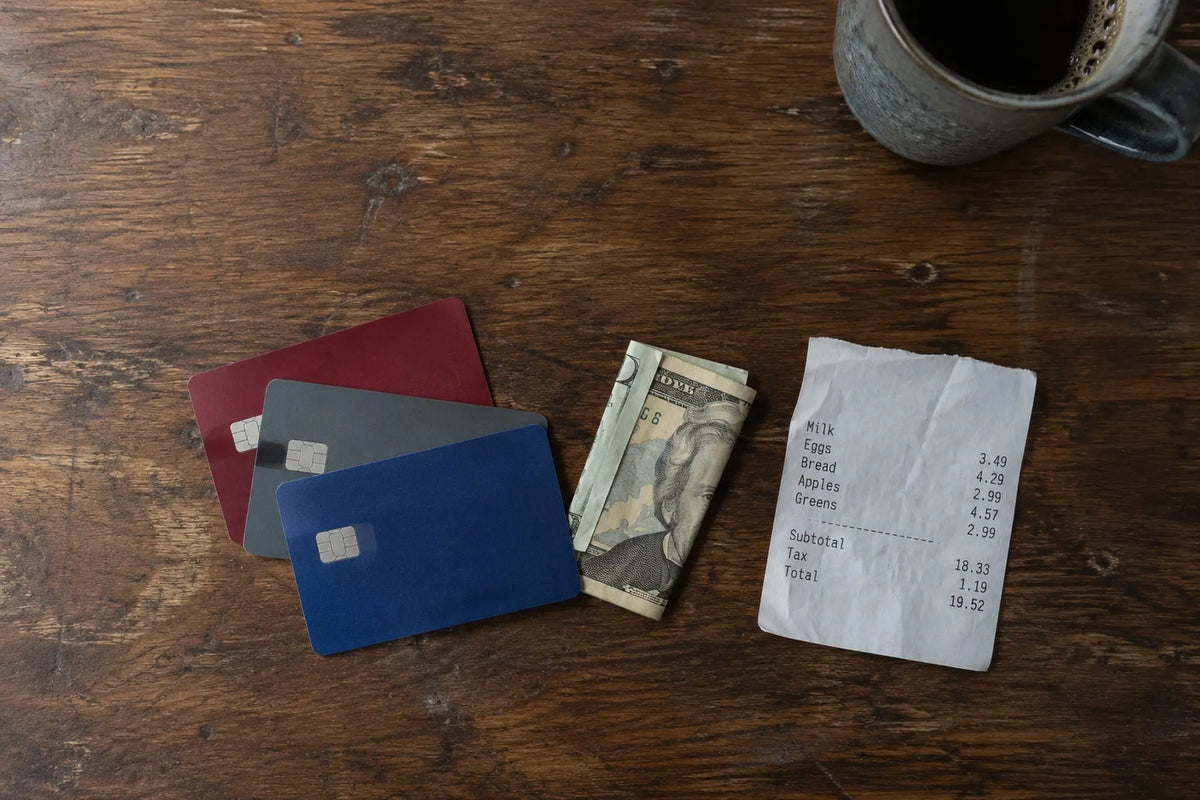
Cardholder vs Wallet: Which One Do You Actually Need?
Cardholder vs. wallet—which should you carry? If most days involve a few cards, an ID, and little cash, a cardholder may be all you need. If you regularly handle bills, coins, or extra documents, a wallet with dedicated storage can be more convenient. But the difference isn't simply “thin versus bulky.” A small cardholder overstuffed with folded bills can be less useful than a well-organized slim wallet.
Rather than relying on a generic card-count rule, use the seven-day carry audit below to find the layout that matches what you actually reach for.
What Is the Difference Between a Cardholder and a Wallet?
A cardholder puts cards first. It usually has fewer compartments and a simpler shape. A wallet is a broader category, often with purpose-built space for cash, coins, ID, receipts, or additional cards. Some modern slim wallets blur the line: they have a compact card chamber plus a small money pocket.
That means the label on the product page matters less than the layout inside it. Two items both called “slim wallets” can have very different storage and access patterns.
- Cardholder: a good starting point when access to a small number of cards is your main task.
- Hybrid slim wallet: worth considering when cards are primary but you also carry cash, a separate ID, or an occasional small item.
- Full-featured wallet: generally more comfortable for people who use multiple compartments and handle cash or other paper items frequently.

The Seven-Day Carry Audit: Decide Before You Buy
Don't try to predict your ideal wallet from a product photo. For one ordinary week, make a quick note each time you use something from your wallet. Include a workday and a weekend day. This is a self-check framework, not a published consumer study or a test performed by SLIMWALT.
Step 1: Start with what you carry—not what the wallet can hold
Lay out the contents of your current wallet. Put your everyday payment cards and essential ID in one group. Place backup cards, membership cards, paper receipts, and “just in case” items in separate groups. Keep anything required for your job or local identification rules; the goal is not to leave necessary identification behind.
Step 2: Track retrieval, not merely ownership
Whenever you open your wallet, jot down the item you needed and whether getting it out felt easy or awkward. A card you use twice every day deserves a faster-access position than a backup card you didn't touch all week.
| Day | Cards reached for | Cash or coins used? | Anything awkward to find? |
|---|---|---|---|
| Mon | ________ | ________ | ________ |
| Tue | ________ | ________ | ________ |
| Wed | ________ | ________ | ________ |
| Thu | ________ | ________ | ________ |
| Fri | ________ | ________ | ________ |
| Sat | ________ | ________ | ________ |
| Sun | ________ | ________ | ________ |
Tip: Save a screenshot or print the log before the week begins. You can also keep a short note on your phone if that is easier.

Step 3: Notice what causes friction
At the end of the week, look for patterns. Is your main annoyance digging through cards? Fishing out folded bills? Finding your driver's license? Or carrying an almost-empty bifold? Each problem suggests a different layout.
If your week included unusual travel, a concert, or other one-off activity, mark it as an exception. Don't buy a daily wallet around a rare event unless that event genuinely matters to your routine.
What Your Week Says About the Right Wallet
Use these practical interpretations, rather than treating an arbitrary card count as the answer.
Mostly cards, almost no cash: look at cardholders first
If most retrievals were payment cards or an ID and you rarely used bills or coins, a cardholder keeps the everyday task straightforward. Check whether each card is individually accessible, whether your ID needs a window, and whether the loaded cardholder still sits comfortably in your preferred pocket.
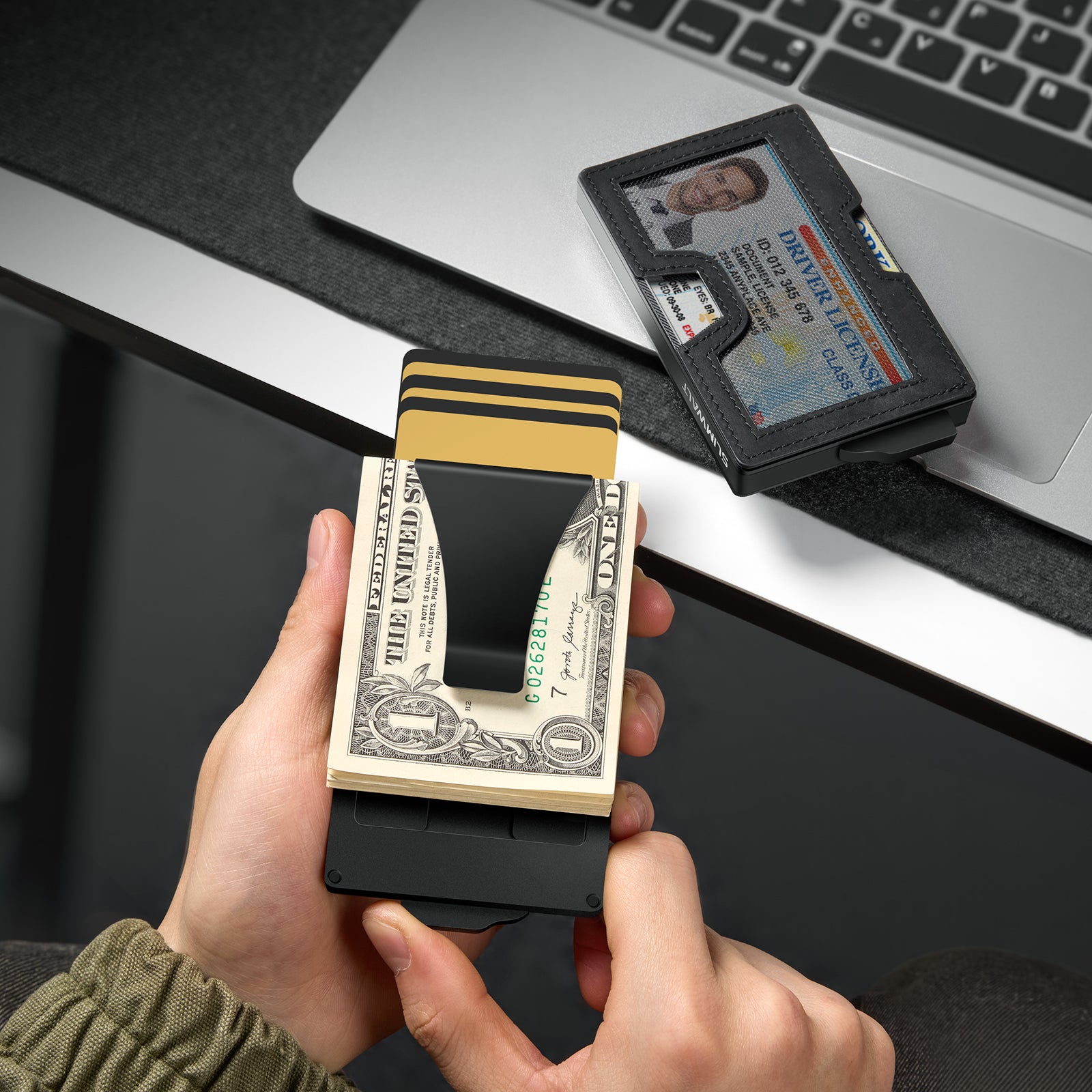
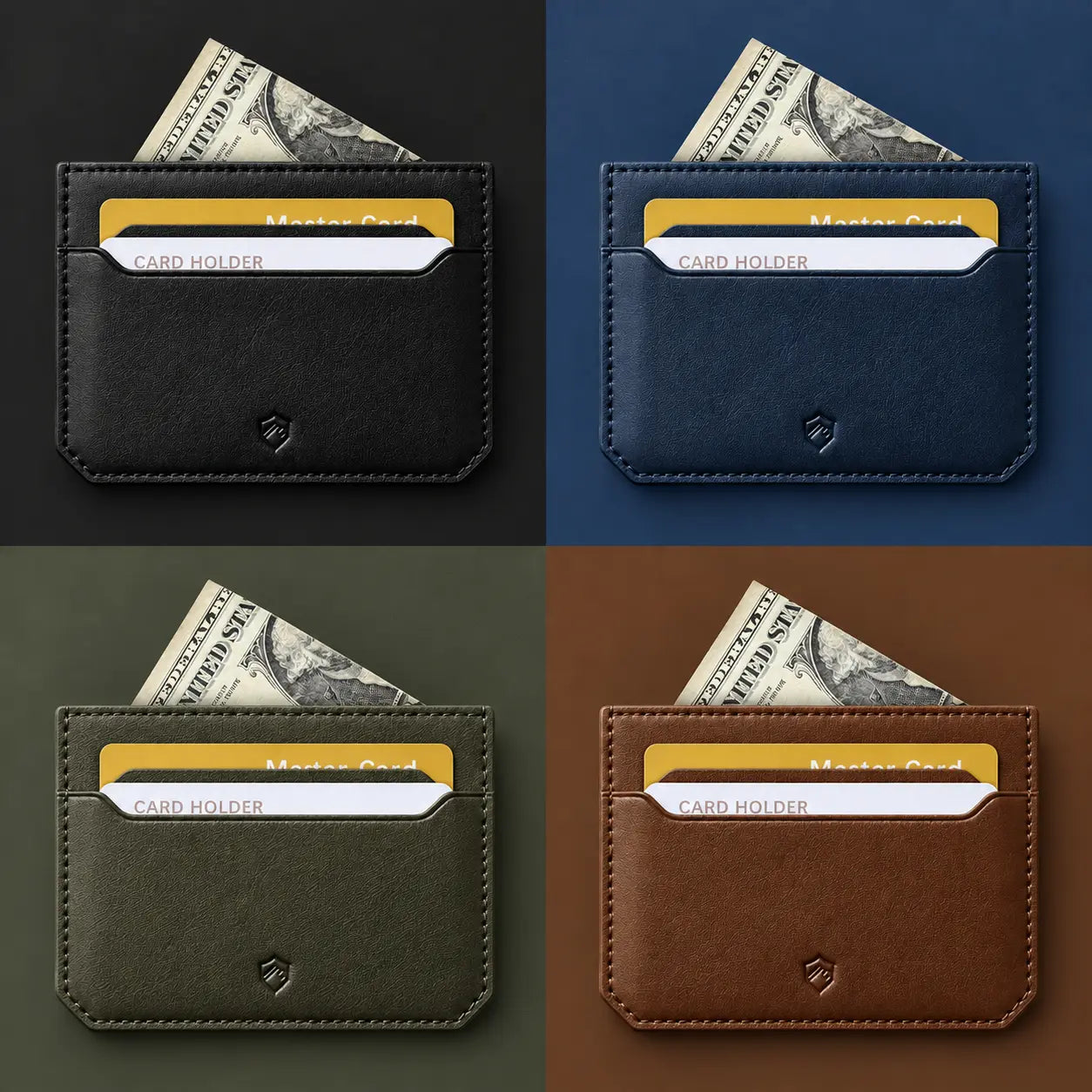
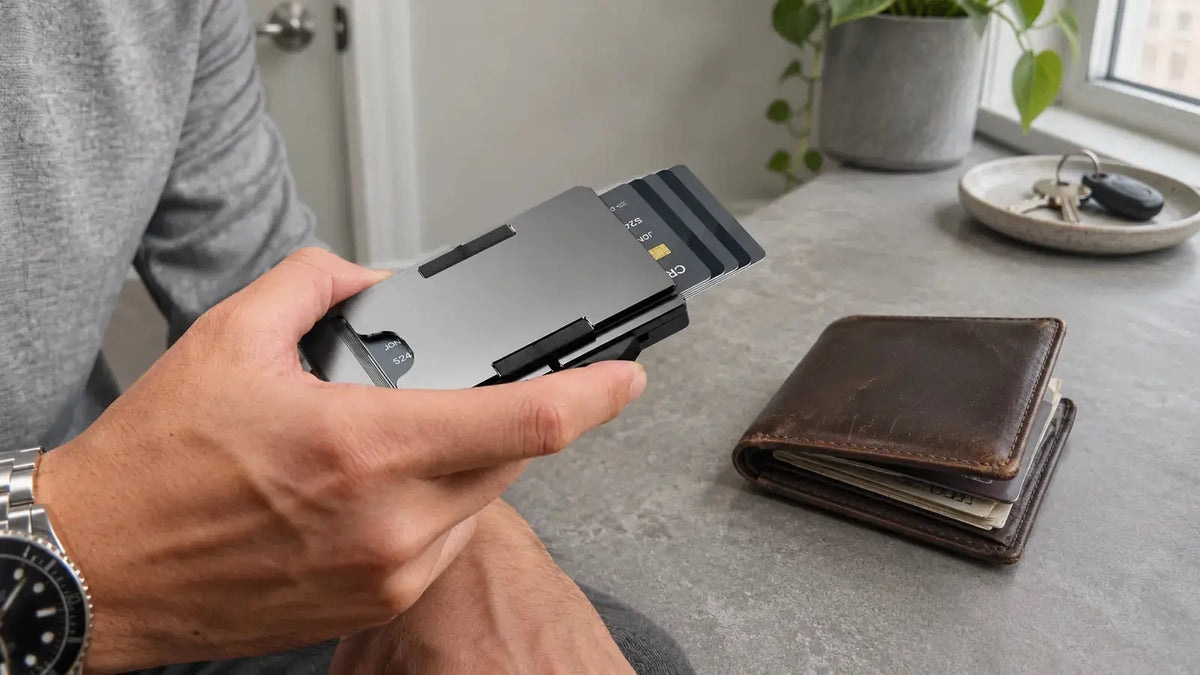
A concrete option is the SLIMWALT Slim Cardholder with ID Window, a vegan-leather design. Its product page lists room for up to seven cards plus dedicated space for bills and coins. Those are manufacturer-listed maximums, not a guarantee that every combination remains equally slim or effortless to access.

When not to choose it: if you regularly handle many loose bills, bulky keys, thick cards, or several receipts, a minimalist cardholder can become crowded.
Cards plus occasional bills or change: consider a hybrid slim wallet
If your log shows that you frequently need cards but occasionally carry bills, coins, or another small item, a slim wallet with a separate flexible compartment may make more sense than a card-only sleeve. That separate section lets you avoid placing everything in the card area.
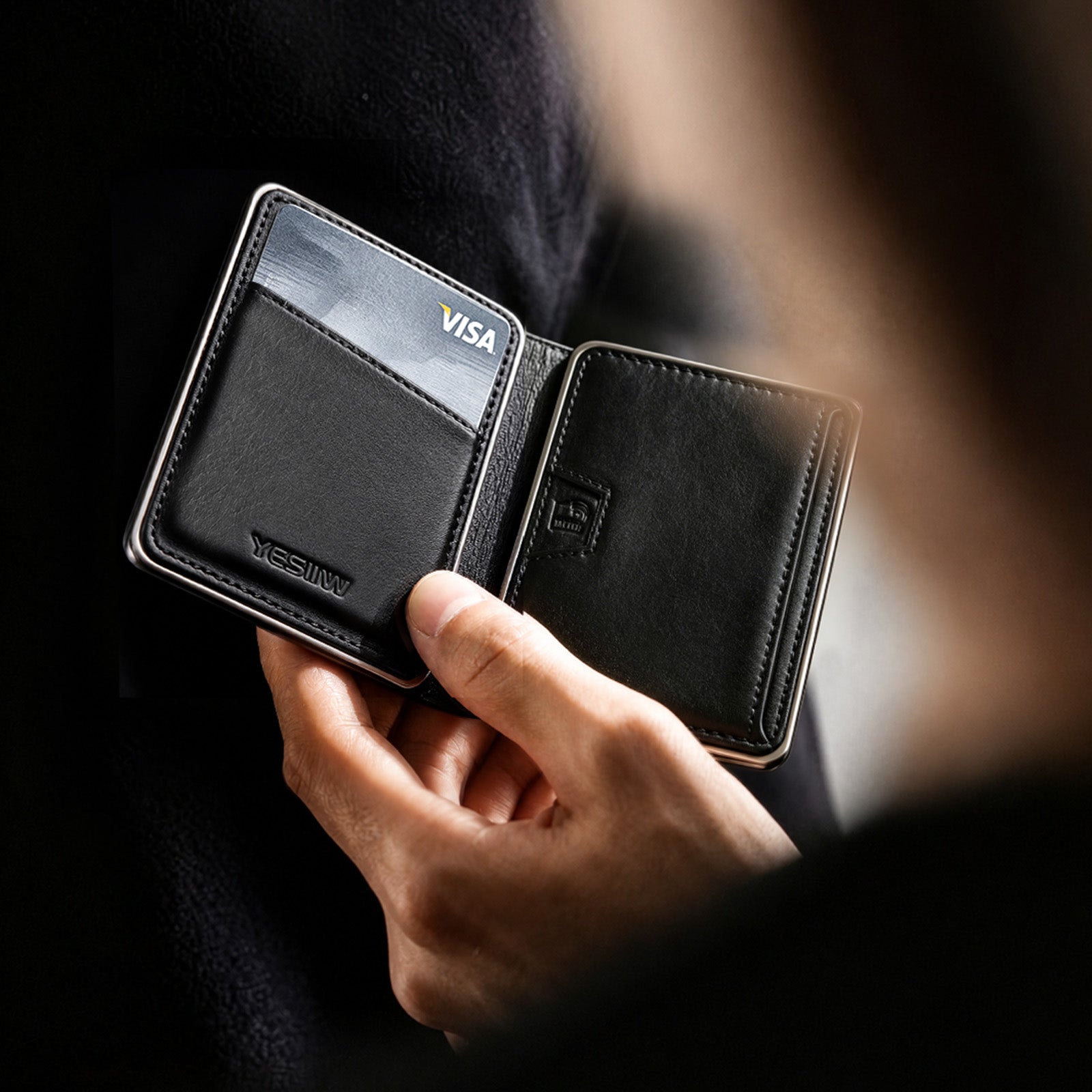
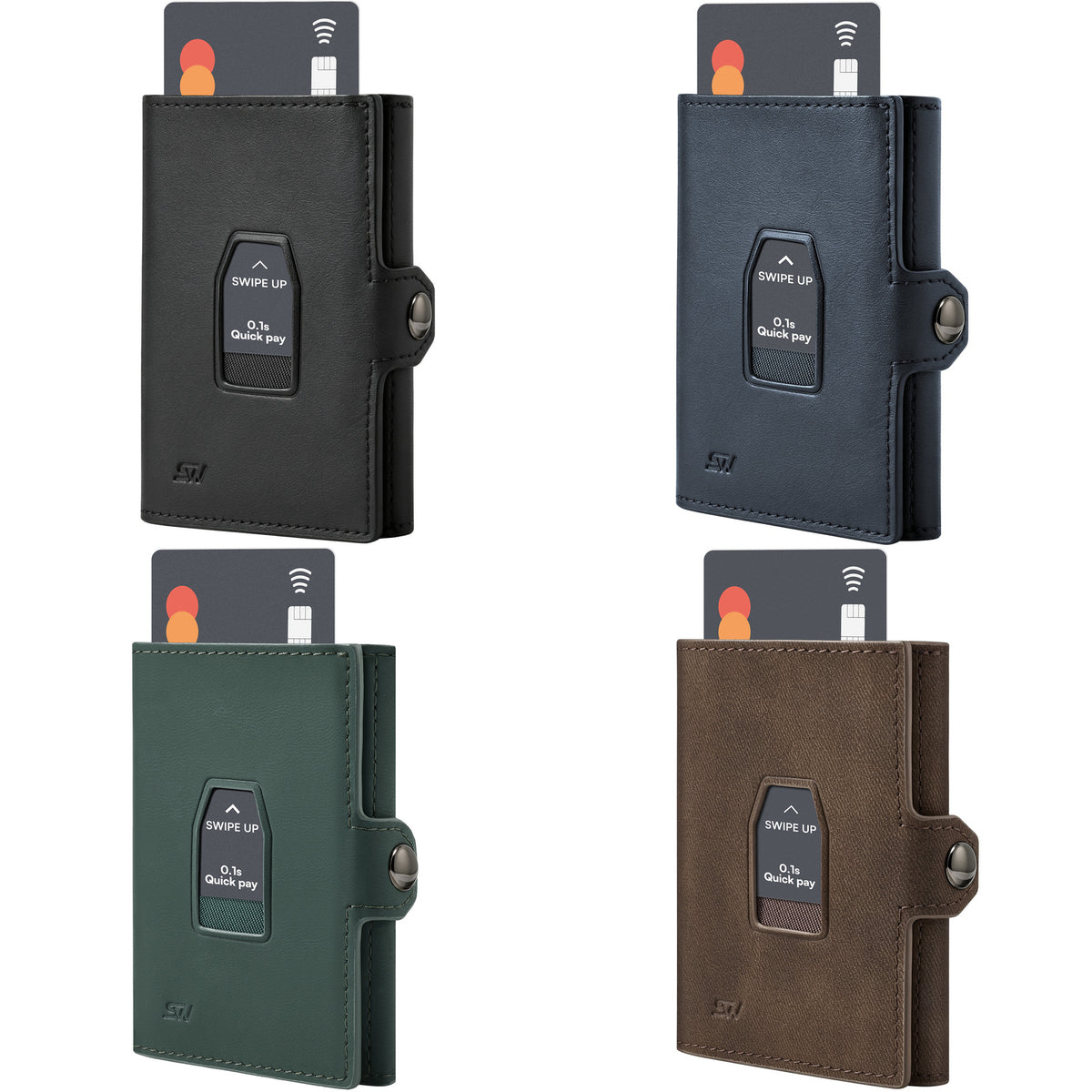
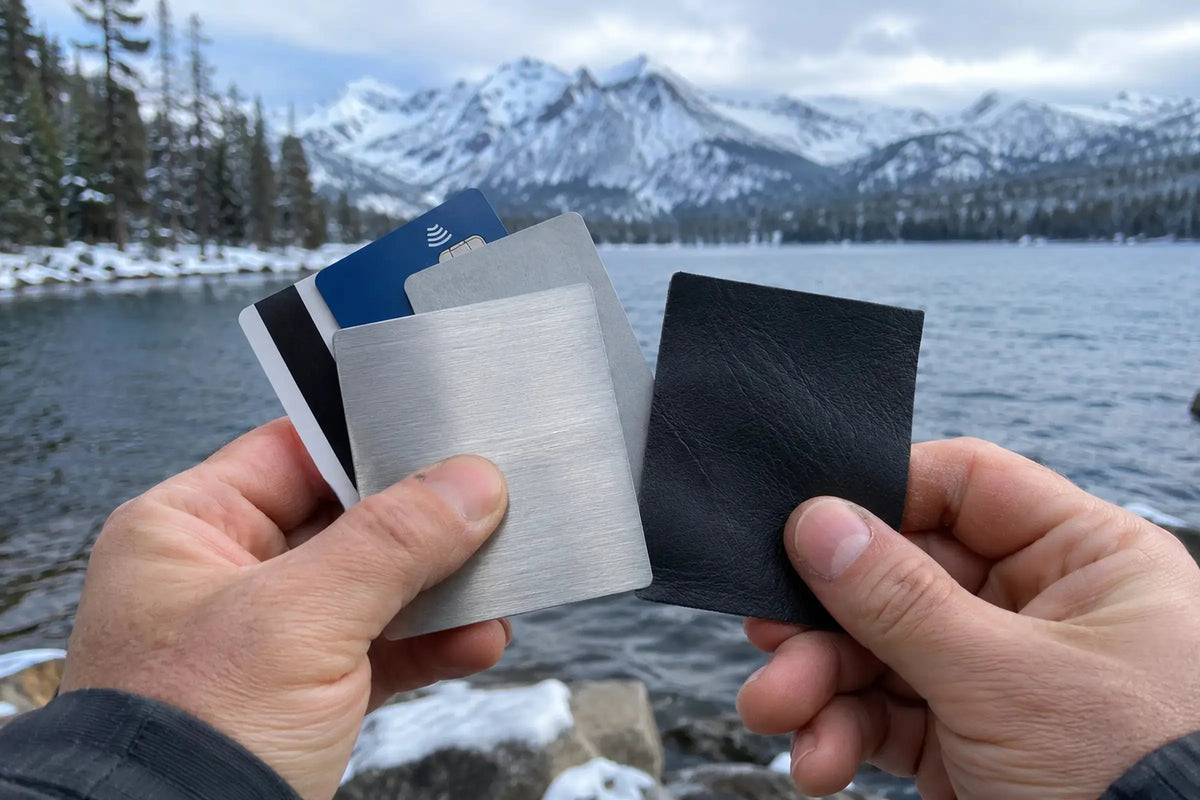
For example, the SLIMWALT Slim Wallet with Lycra Money Pocket & ID Window has a pop-up card chamber and a separate pocket for small essentials. The official listing specifies a chamber for six standard cards, plus an ID window. The pocket's comfortable fit depends on what you put inside it.

When not to choose it: if you need to keep many unfolded bills or lots of coins organized, a tiny flexible pocket may not replace a dedicated cash compartment.
Cash and paper are everyday essentials: a fuller wallet can win
Some shoppers want the thinnest object possible. Others need the least awkward way to pay. If your log shows frequent cash transactions, receipts you must keep, or more categories of items than a compact pocket can handle, a traditional-style or compartment-rich wallet may be more practical.
There is nothing inherently better about downsizing if it slows down the tasks you actually do. A larger wallet with organized compartments can be a better everyday choice than a cardholder stuffed beyond its intended use.
Three Buying Mistakes the Audit Helps Prevent
Buying by empty thickness
Dimensions shown on product pages often describe an unloaded item. Your cards, bills, and coins change the real experience. If possible, compare the same quantity and type of items in each candidate before deciding. Do not compare a fully loaded wallet with an empty cardholder and call the difference a material advantage.
Assuming maximum capacity equals comfortable capacity
A listed maximum is useful, but card thickness, ID placement, cash folds, and compartment design all affect how easy the wallet is to use. Prioritize the configuration you carried during your seven-day log rather than filling every slot simply because it exists.
Choosing a wallet for rare “what if” items
A travel card, spare key, or stack of paper receipts may be necessary sometimes—but not on an ordinary Wednesday. Decide whether occasional items need permanent space in your daily wallet or can be carried separately on the days you need them. Never remove essential identification or a required payment method just to meet a minimalist goal.
One Final Pocket Check Before You Order
Once you've identified your preferred layout, use the same items from your audit to check fit:
- Put your normal cards, ID, and typical amount of cash in the candidate design.
- Check whether your most-used card is accessible without emptying everything else.
- Try the pocket where you actually carry your wallet, seated and standing.
- Make sure cash or coins do not block the card area or fall out when handled normally.
- Confirm the exact variant: an ID-window model, money-pocket model, and money-clip model may be different products.
These are simple evaluation steps you can perform yourself; no measured fit or retention results are claimed here.

Cardholder or Wallet? The Answer Should Match Your Week
If your everyday carry is mostly cards and an ID, start with a cardholder. If you frequently need a dedicated spot for occasional bills or coins, a hybrid slim wallet is worth comparing. If cash, paper, and several categories of items are central to your day, choose the storage layout that makes those tasks easier—even if it isn't the smallest option.
For a lighter, card-first setup, see the Slim Cardholder with ID Window. For separated card access and a flexible money pocket, explore the Slim Wallet with Lycra Money Pocket. Review the exact variants and product photos before choosing.
The best everyday wallet isn't the one with the most slots. It's the one that makes your actual week easier.

SLIMWALTが執筆

コメントを書く
このサイトはhCaptchaによって保護されており、hCaptchaプライバシーポリシーおよび利用規約が適用されます。