
Metal Wallet vs Leather Wallet: 7 Trade-Offs That Matter
Metal wallet or leather wallet? The best choice is not simply the tougher material or the slimmer-looking product. It is the design that handles your everyday cards, bills, and pocket habits with the least friction.
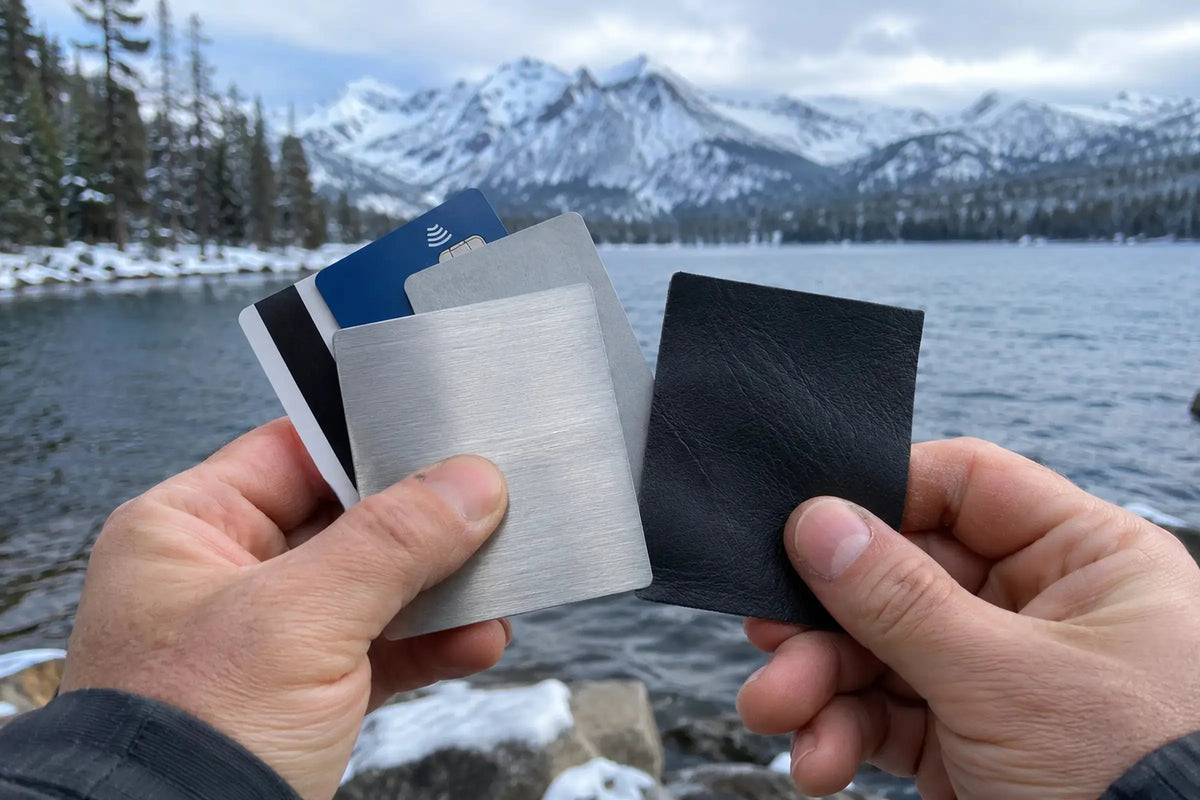
Short answer: Choose a rigid metal wallet if you prefer a structured card system, mechanical access, and a clean, modern profile. Choose a leather-forward wallet if you value a softer exterior, a familiar hand feel, and more flexible organization. A hybrid design can combine a leather exterior with a metal pop-up card chamber.
Here is how to make that choice without relying on marketing labels alone.

First, check what the wallet is actually made of
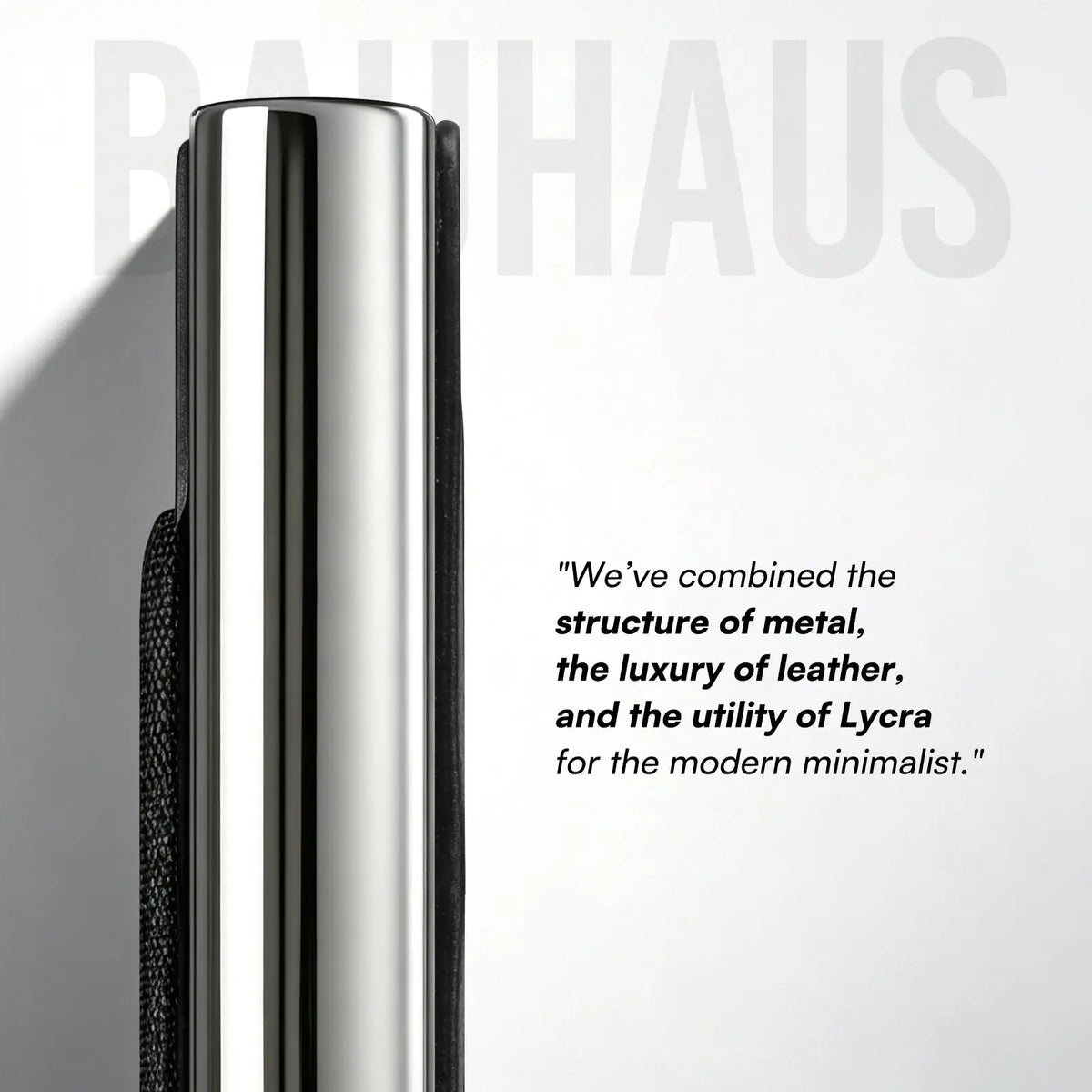
“Metal wallet” and “leather wallet” describe an exterior impression, not necessarily the full construction. Two wallets that look different on the outside can use similar card-access hardware inside.
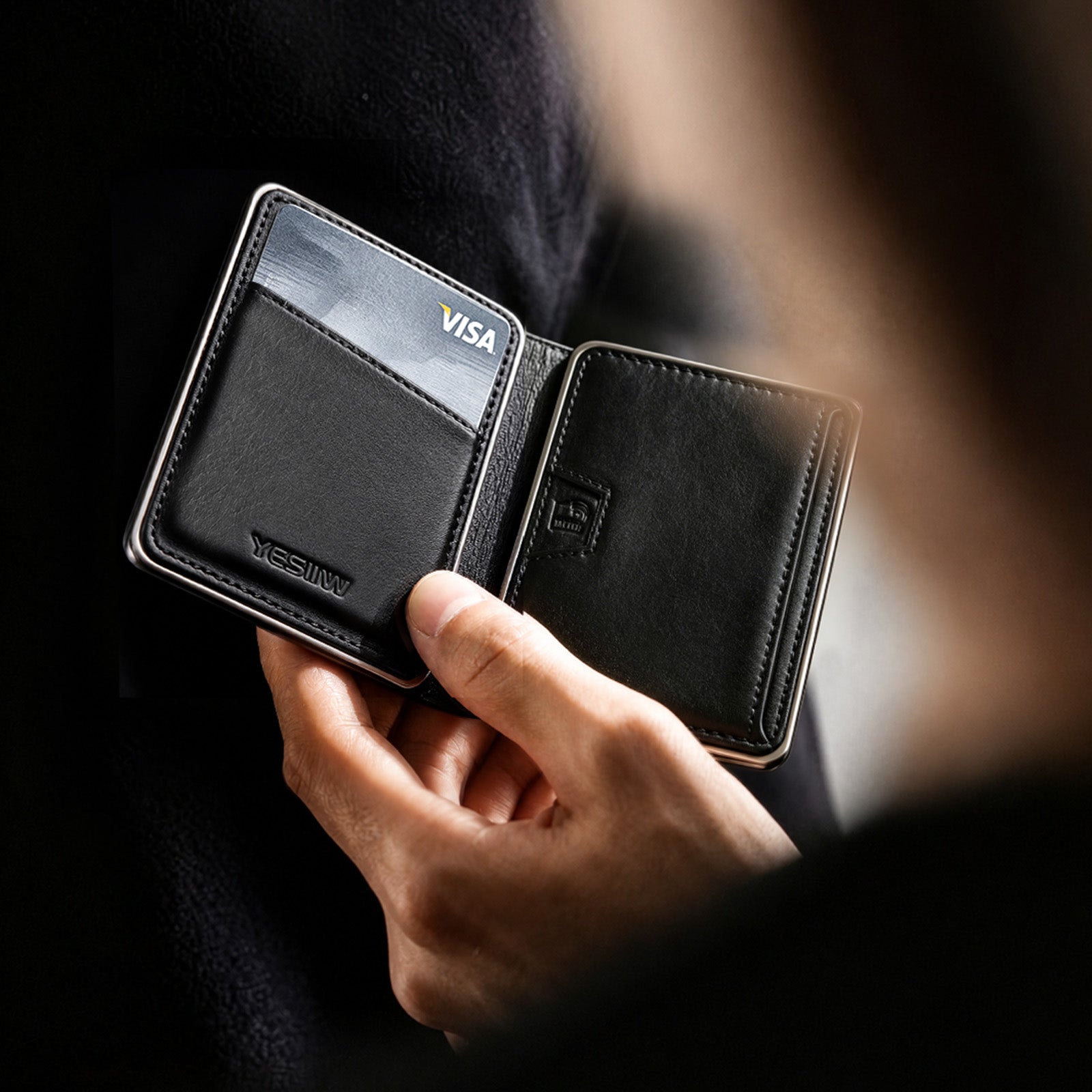
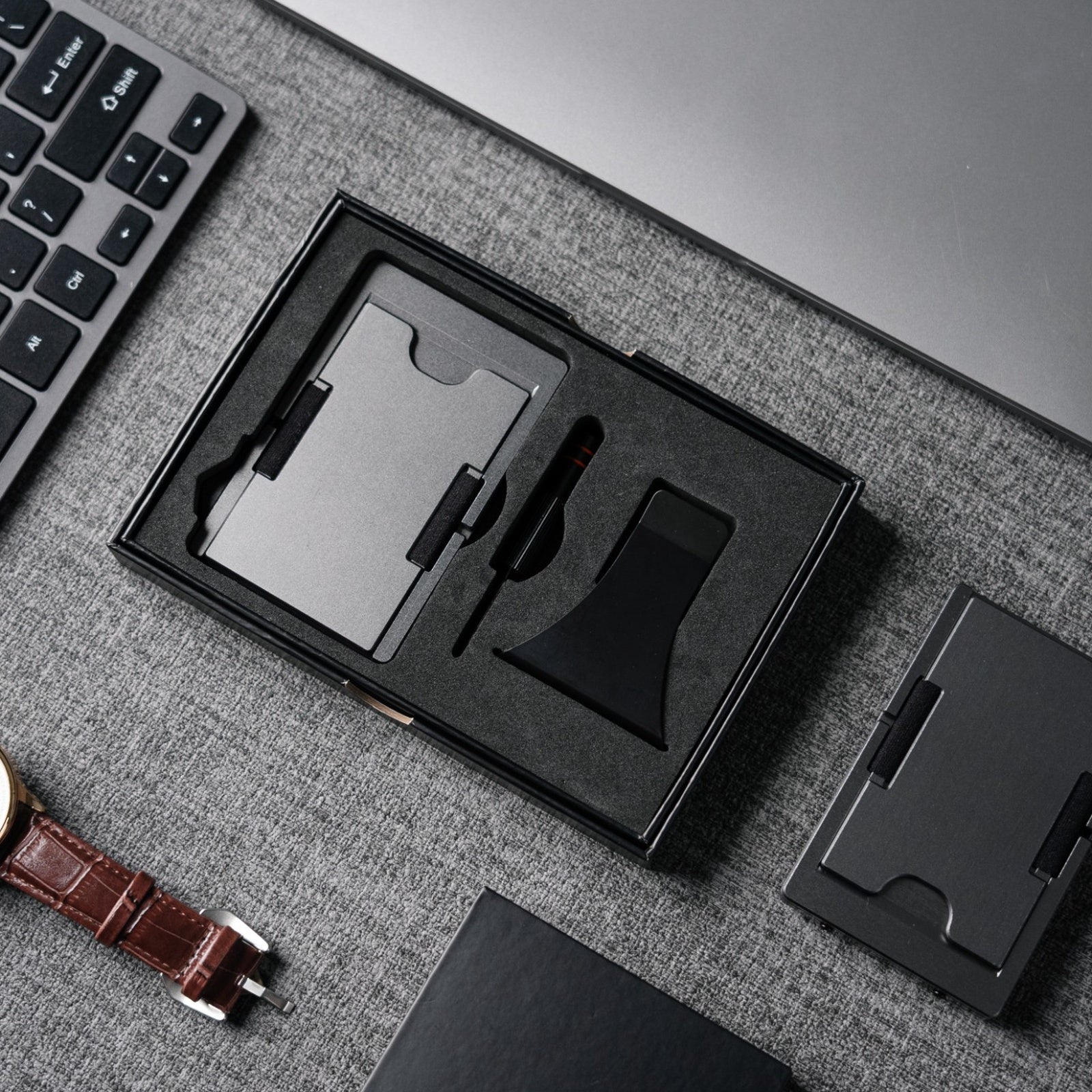
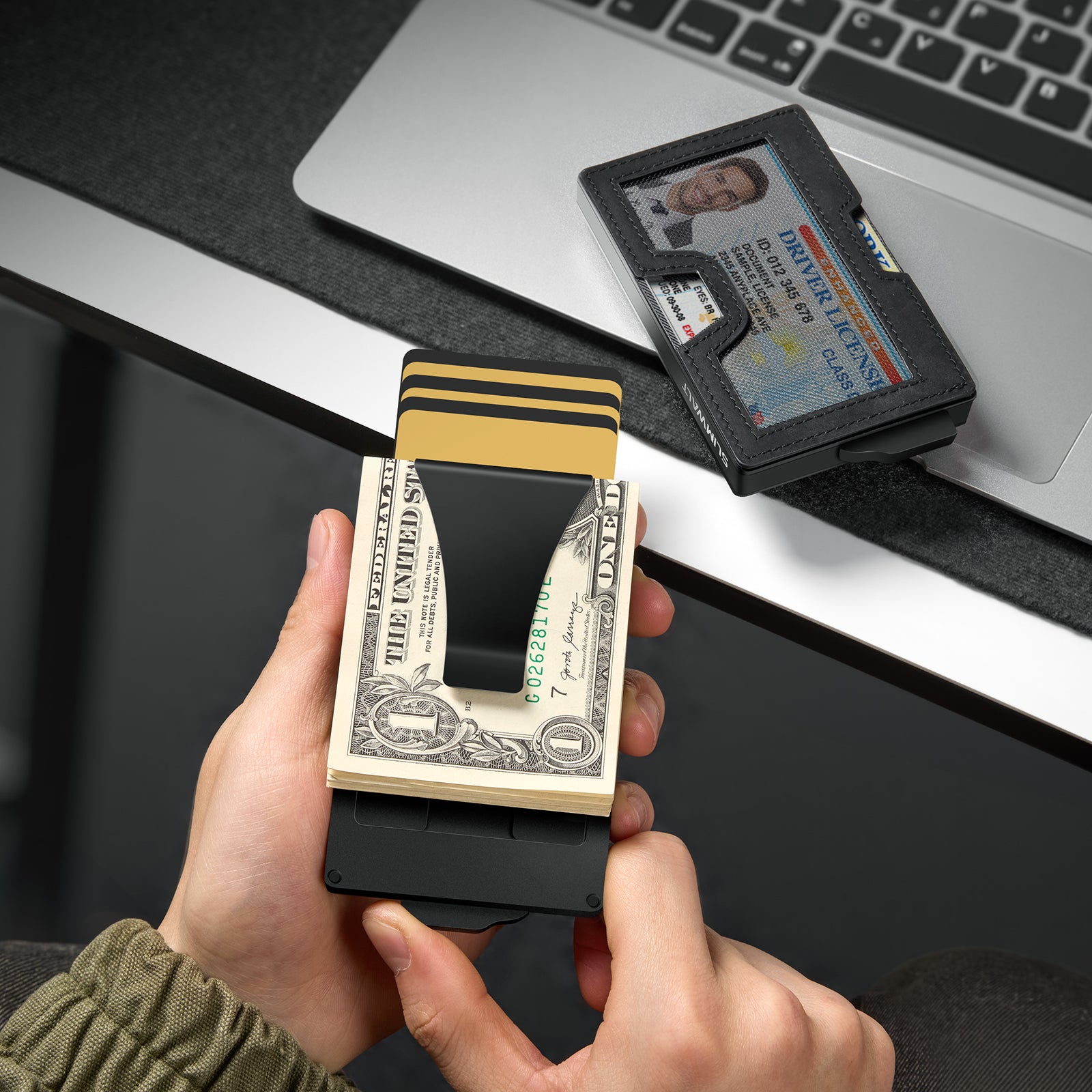
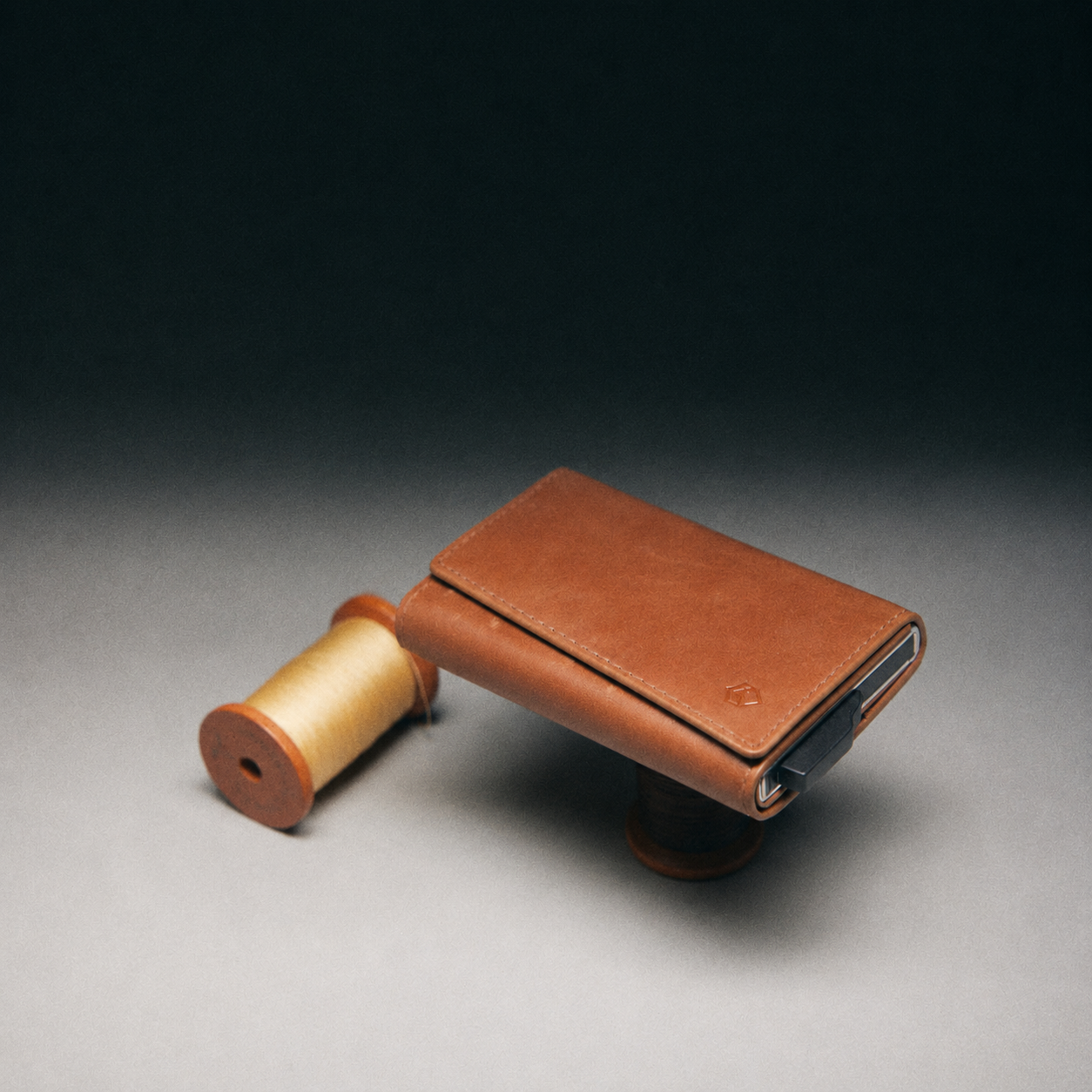
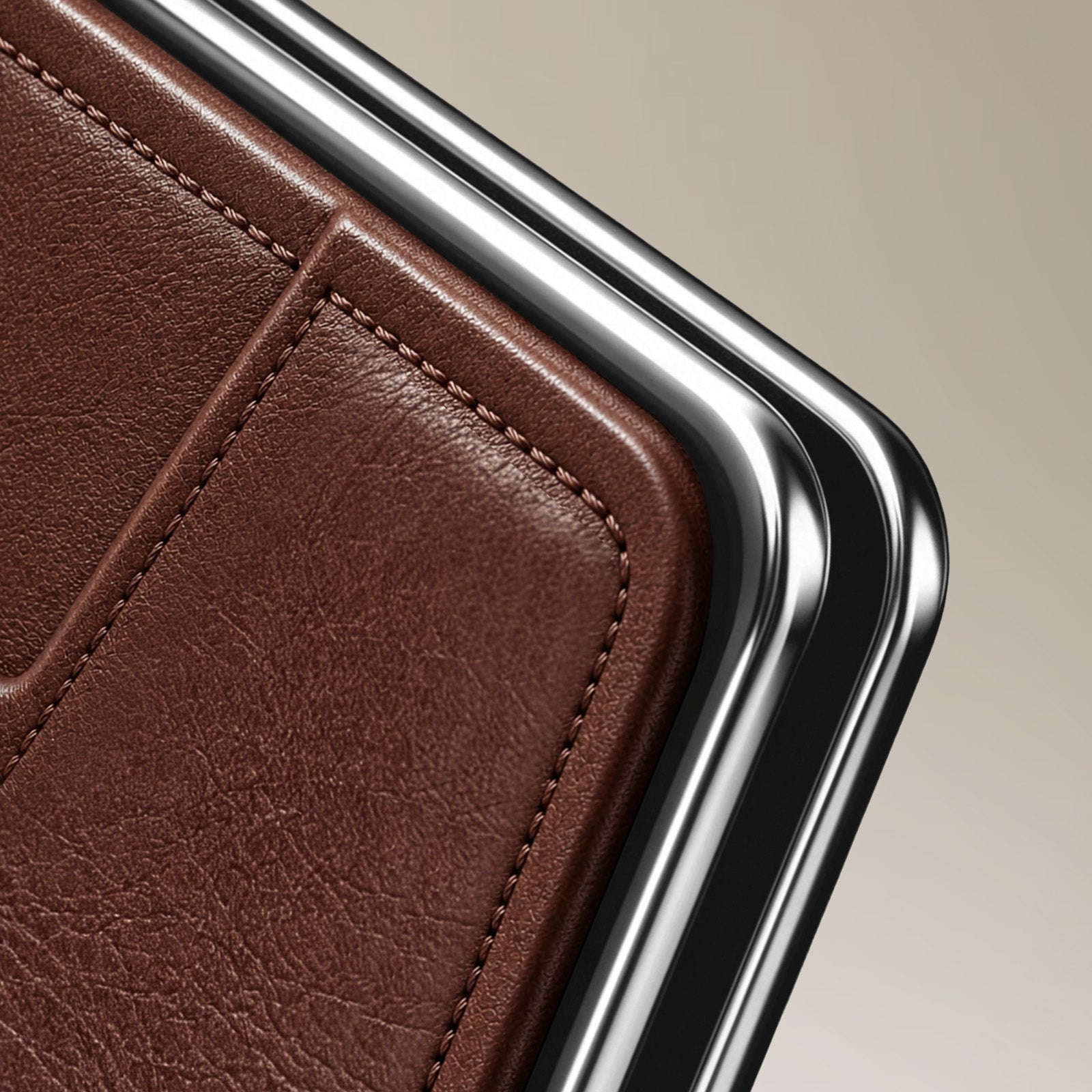
For example, the SLIMWALT Magic Space Pro is presented as an all-aluminum build with a modular money clip. The SLIMWALT Classic Pop-Up Wallet uses genuine leather and an aluminum pop-up chamber. That second option is a hybrid—not a conventional all-leather bifold.
This distinction matters because card access, protection from bending, and everyday thickness depend on the complete design, not only the outer material.
Seven trade-offs that actually affect everyday use
1. Pocket feel: rigid edges vs. a softer exterior
An aluminum body keeps a defined shape. That can feel tidy in a front pocket, but the shape will not soften or contour to your body the way a flexible leather exterior may. Leather-forward wallets tend to feel gentler against the hand and fabric, although any metal hardware underneath will still be rigid.
Check before buying: Look at the corners, side profile, and where the wallet will sit when you walk or sit. A slim measurement alone does not describe pocket comfort.
2. Card access: the mechanism can matter more than the material
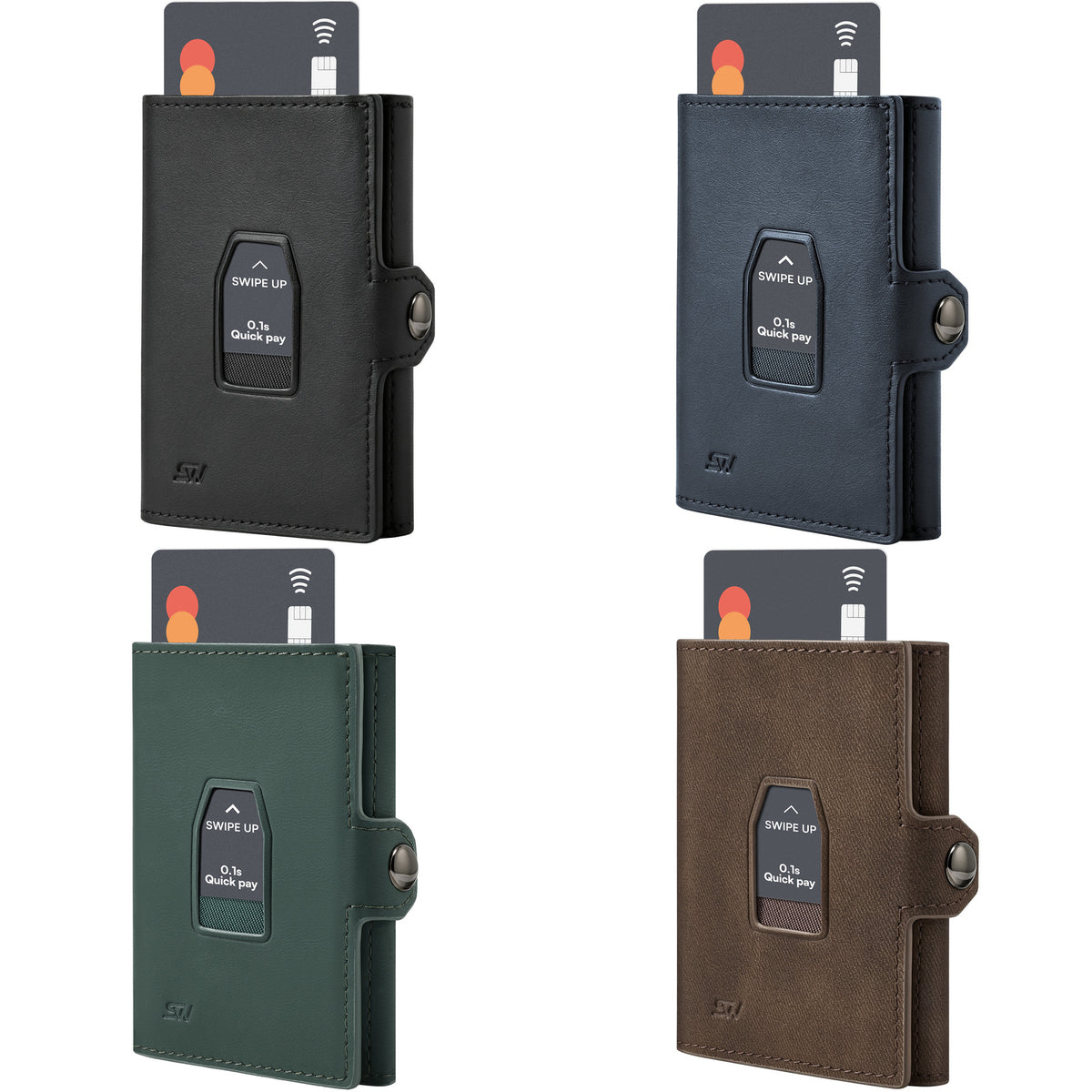
Traditional leather wallets often use individual slots. Many modern metal wallets use a lever or button that lifts a group of cards. But a leather-and-metal hybrid can use the same pop-up mechanism.
If you tap a payment card several times a day, focus on how you select and return it—not whether the product title says “metal” or “leather.” Make sure you can identify the card you want without dumping the whole stack.

3. Cash: a clip is different from a bill compartment
Some rigid wallets keep paper money under an external clip or strap. A leather-forward design may include a folded-bill section. Neither approach is universally better: it depends on whether you carry a couple of backup bills or regularly pay with cash.
If cash is important, verify how the bills fold, how quickly you can reach them, and whether adding bills creates a noticeable bulge. Do not assume every “leather wallet” has a full-length cash compartment.
4. Coins and loose essentials: most minimalist designs make a compromise
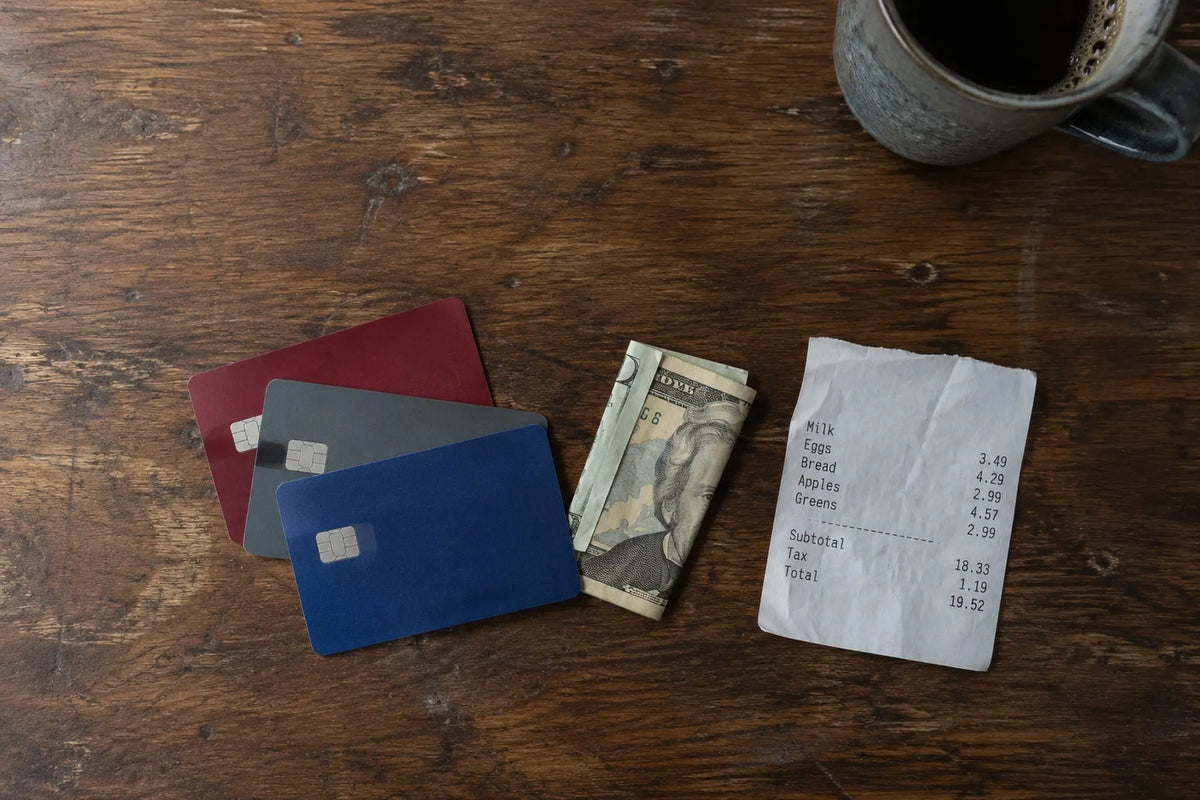
Coins, keys, and folded receipts do not behave like flat credit cards. They can change a wallet's shape and make access awkward. A zippered pocket is useful if you truly carry coins; an all-metal card chamber usually is not intended to hold loose change.
The specific Classic Pop-Up Wallet zipper-pocket configuration includes a dedicated coin compartment. The Magic Space Pro instead concentrates on cards and cash with its modular clip.
Decision rule: If coins are a daily requirement, choose a design with a purpose-built coin pocket, regardless of the material label.
5. Weight and thickness: don't judge by material alone
Aluminum is often associated with lightweight products. But a complete wallet includes its mechanism, hardware, closures, and storage sections. That is why the finished product specification is more useful than assumptions about a material.
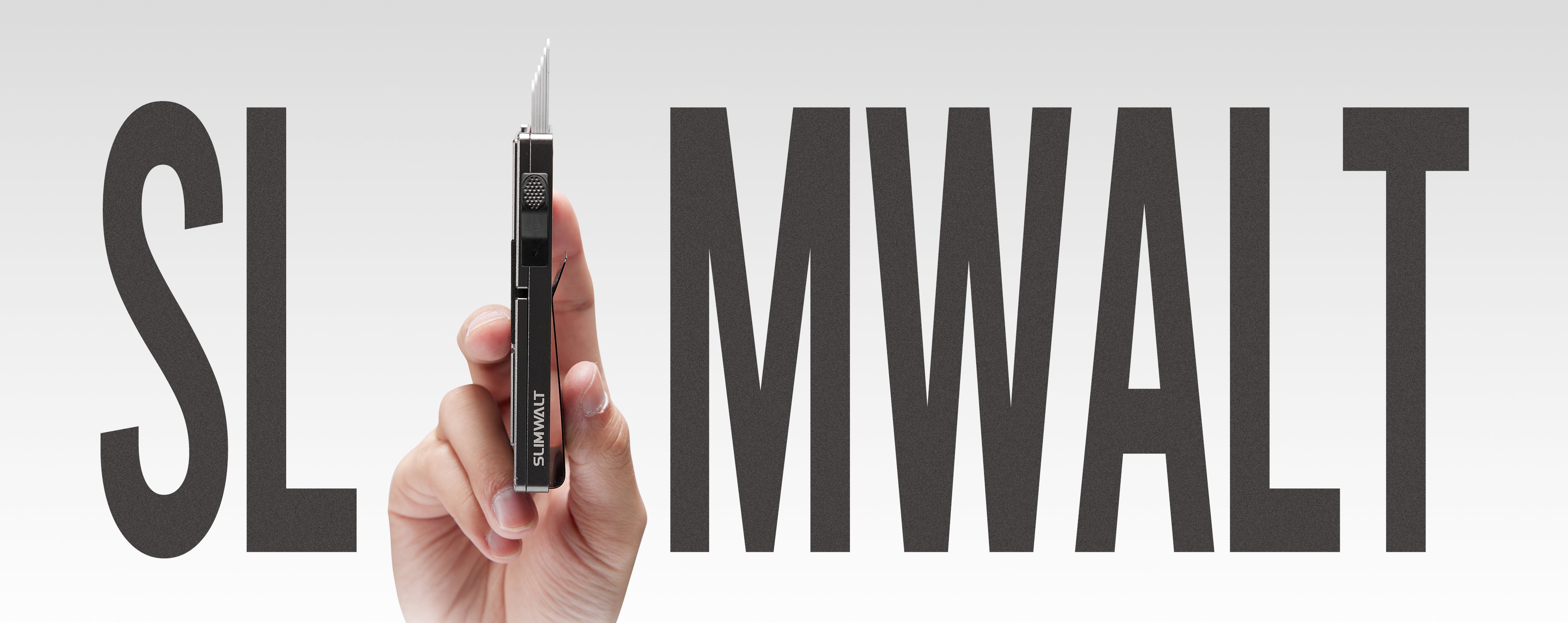
As one real example, SLIMWALT lists the Magic Space Pro at 113.5 g and approximately 10 × 6.5 × 1.2 cm. The specific Classic Pop-Up Wallet configuration linked here is listed at 116 g and approximately 10 × 6.8 × 1.7 cm.
The listed weights are close, even though the designs look very different. These are manufacturer specifications—not independent measurements of filled wallets—and the two products have different storage features, so the dimensions are not a pure material-only comparison.

6. Wear and care: scratches and patina are different experiences
Metal surfaces may show cosmetic scuffs or finish wear, especially where they contact hard objects. Leather can soften, crease, and develop a patina depending on its finish and how it is cared for. Neither surface is immune to damage.
If your wallet shares a pocket with keys, pay attention to the exterior finish. If you regularly encounter rain, spills, or sweat, follow the maker's care guidance and dry materials appropriately. Choosing a premium material is not a substitute for sensible daily care.
7. RFID claims: look for evidence, not just a metal shell
Do not assume that every metal wallet is automatically a tested RFID-blocking product—or that leather cannot be part of an RFID-protective design. Whether a wallet blocks a particular signal depends on its construction and the testing behind the claim.
If RFID protection matters to you, check the actual model's claim and the available test documentation, including what was tested and under which conditions. Material alone is not a verified performance rating.
See the design differences in actual SLIMWALT models
These two examples illustrate how construction changes the user experience. They are not a head-to-head laboratory test, and neither is presented as the universal winner.
| What to compare | Magic Space Pro | Classic Pop-Up (zipper) |
|---|---|---|
| Construction | All-metal aluminum build | Genuine leather + aluminum |
| Card access | Pop-up chamber + expandable card storage | Pop-up chamber + additional slots |
| Cash approach | Modular money clip | Folded-bill storage |
| Coin pocket | Not specified | Zipper coin pocket |
| Listed weight | 113.5 g | 116 g |
| Listed dimensions | 10 × 6.5 × 1.2 cm | 10 × 6.8 × 1.7 cm |
Specifications come from the linked SLIMWALT product pages, checked October 30, 2026. Actual available variants and specifications may change. Listed dimensions are not measurements of wallets loaded with the same set of items.

A five-minute decision exercise before you order
Rather than choosing by appearance alone, run through this quick exercise with what is in your current wallet right now.
- Separate what you use daily. Place your payment cards, ID, and anything else you need almost every day in one group. Keep occasional cards and receipts in a second group.
- Make cash a yes-or-no decision. If you regularly use paper money, identify whether you prefer folded bills, a clip, or a dedicated bill section.
- Count coins separately. If your answer is more than “almost never,” put coin-pocket availability above aesthetics on your checklist.
- Choose your access method. Would you rather press a control to reveal cards, or pull one from a dedicated slot?
- Compare real product dimensions. Look up the weight, external dimensions, and how the design will expand when loaded. If possible, check real photos with the number of cards you personally carry.
If you prefer a rigid card system, a pop-up mechanism, and minimal loose storage, start with an aluminum or metal wallet collection. If you want a leather exterior, folded cash, and room for coins, look at genuine-leather wallet options with clearly specified storage features.
Three buying mistakes worth avoiding
- Assuming metal always means thinner. Storage layout and hardware can matter more than the exterior material.
- Assuming leather means a traditional bifold. A genuine-leather exterior may still contain an aluminum pop-up chamber.
- Buying for maximum advertised capacity. Consider how the wallet feels and operates with your own everyday load, not the largest number on the page.

So, which one should you buy?
Choose all-metal if your priorities are a structured case, pop-up card access, and a modern aluminum finish. Start with the Magic Space Pro if you also need expandable card storage.
Choose leather-forward or hybrid if you prefer the feel of leather and want a design with room for folded bills or a dedicated coin pocket. The Classic Pop-Up Wallet is one example that combines genuine leather, aluminum card access, and a zipper-pocket option.
If neither matches your day-to-day habits, keep looking. The best wallet is the one that handles your real carry setup without forcing you to change how you pay, commute, or organize your essentials.
Common questions
Is an aluminum wallet better than a leather wallet?
Not automatically. Aluminum designs tend to maintain a rigid form, while leather-forward designs can provide a softer exterior. The better purchase depends on card access, cash needs, pocket feel, and the complete wallet construction.
Are metal wallets always lighter?
No. The mechanism, size, clips, and extra storage affect total weight. Compare finished-product specifications rather than judging by material alone.
Can a leather wallet have a metal cardholder inside?
Yes. Some hybrid wallets combine a genuine-leather exterior with an aluminum pop-up card chamber. Always check the product's construction details.
Editorial note: This guide compares published product specifications and general design trade-offs. It does not claim a hands-on durability, scratch, signal-blocking, or loaded-thickness test. SLIMWALT is the brand offering the linked products.

Ecrit par SLIMWALT

Laisser un commentaire
Ce site est protégé par hCaptcha, et la Politique de confidentialité et les Conditions de service de hCaptcha s’appliquent.