
Money Clip vs. Cash Pocket Wallet: Which Is Better for Everyday Carry?
A money clip can make paying with cash feel effortless—until you need to carry loose change. A cash pocket keeps more of your everyday extras together—but it may add bulk or make bills harder to reach. If you're choosing a slim wallet with a money clip, a stretchy money pocket, or a band, the smartest choice starts with how you actually pay.
Quick answer: Choose a money clip wallet if you carry a few folded bills and want fast access. Choose a stretch or Lycra cash pocket if you occasionally carry coins or small extras alongside bills. Choose a money band if you want a simple low-profile cash attachment. Choose a zippered coin pocket if keeping small change contained matters more than having the flattest profile. No format stays equally thin when you add more contents.
Money Clip vs. Cash Pocket Wallet: What's the Difference?
The difference is not just where your cash goes. Each design changes how quickly you can grab a bill, whether coins have a proper home, and how the wallet feels once it's loaded. A standalone money clip holds cash but usually offers little or no dedicated card organization. A money clip wallet combines card storage and an integrated clip. Cash-pocket and cash-band wallets take different approaches to securing bills alongside cards.
| Cash storage | Where it shines | Main trade-off | Best fit |
|---|---|---|---|
| Integrated money clip | Bills are easy to see and reach | Limited use for loose coins; exposed cash | Mostly cards, a few bills |
| Stretch / Lycra money pocket | Flexible space for folded bills and small extras | Expands with contents; not a sealed compartment | Cards plus mixed small essentials |
| Elastic money band | Simple way to secure folded bills | Little protection or organization for loose change | Occasional bills, minimal extras |
| Zippered coin pocket | Contains coins and small items more reliably | Additional material and a closure can increase bulk | Daily coin users and mixed cash carry |

These are design trade-offs, not results from a laboratory test. The best option depends on the number of bills, cards, and coins you intend to carry.
When Is a Money Clip Wallet Better?
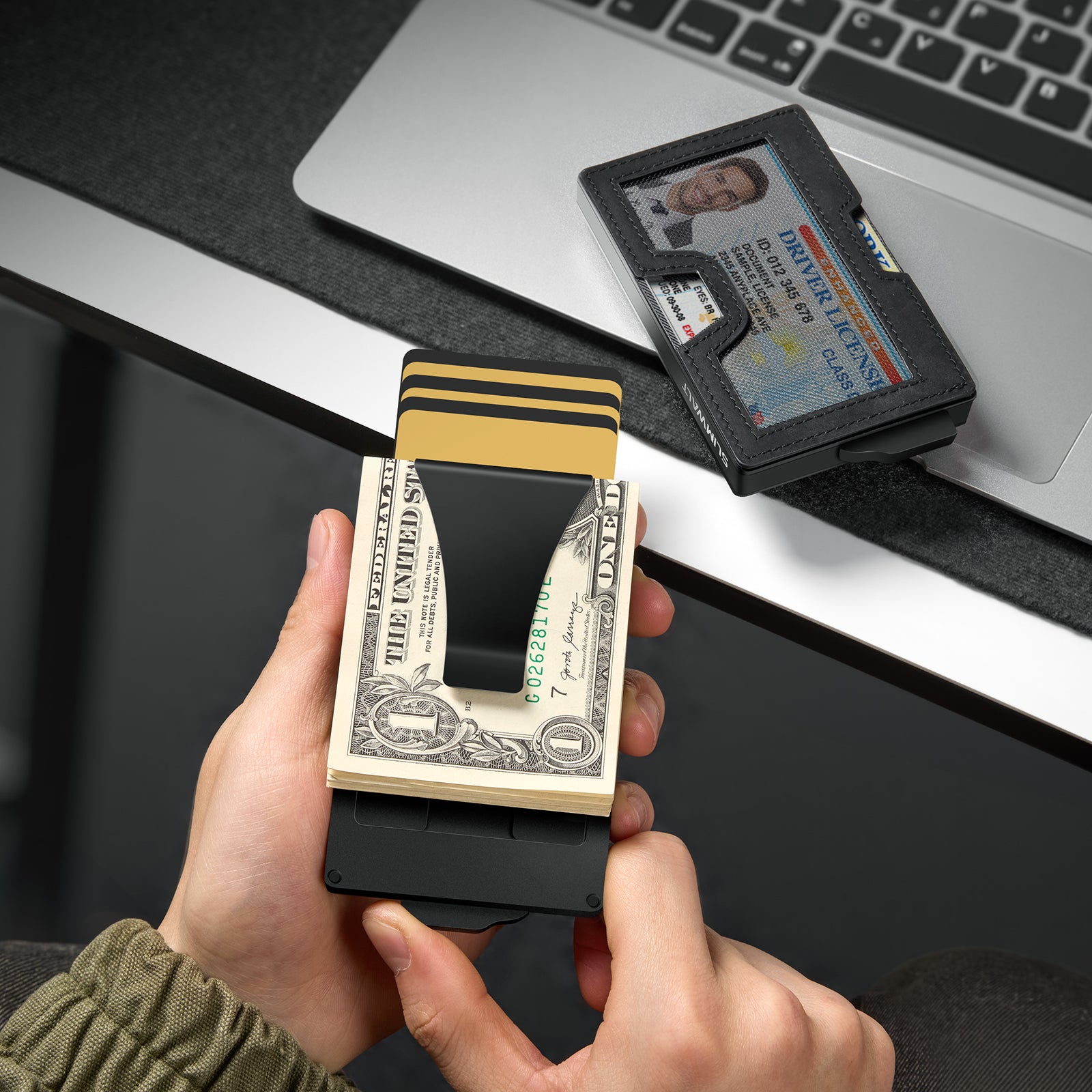
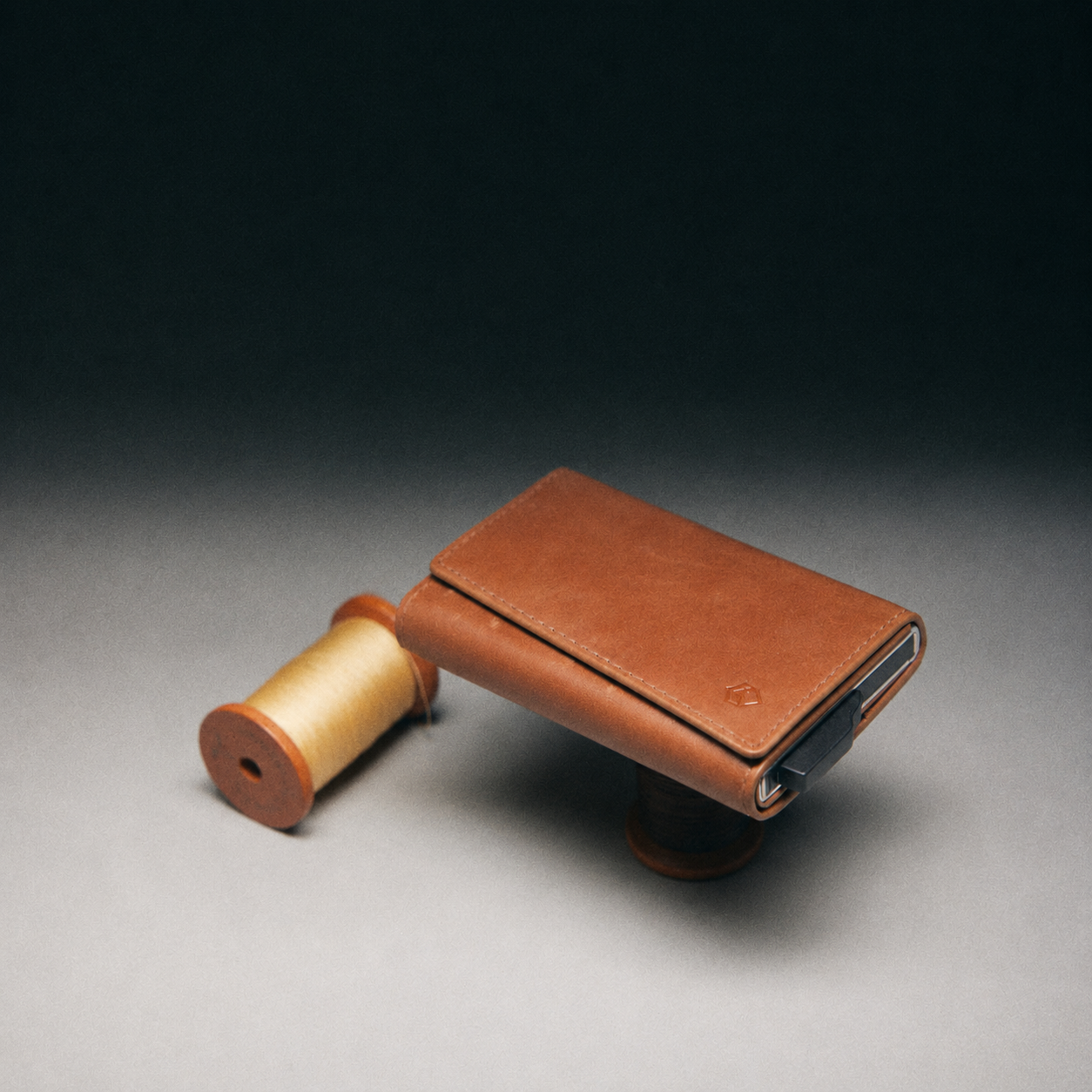
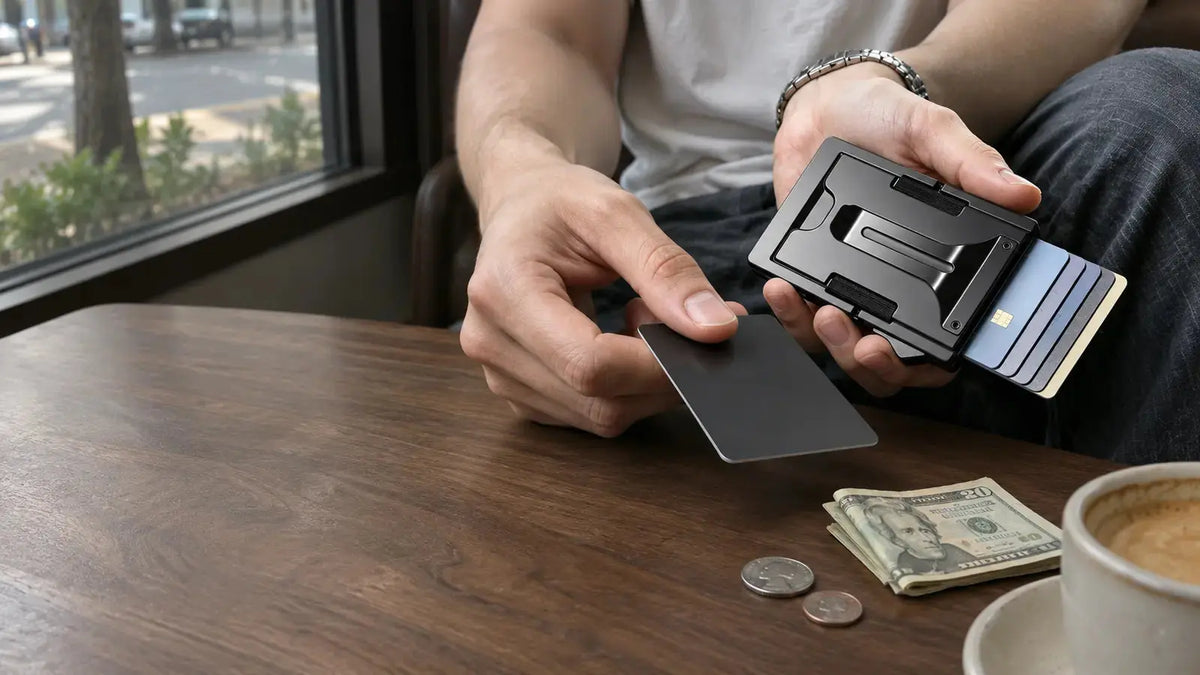
A money clip works especially well for someone who pays mostly by card but likes to keep a little paper cash available. The bills sit under a metal clip, so you can often reach them without opening a full bill compartment. A compact clip wallet also gives frequent-use cards a separate home instead of mixing everything into one folded stack.
Why shoppers choose an integrated money clip
- Direct access: folded bills are visible rather than hidden inside a pocket.
- Simple organization: cards stay in their own compartment, while bills have a dedicated attachment.
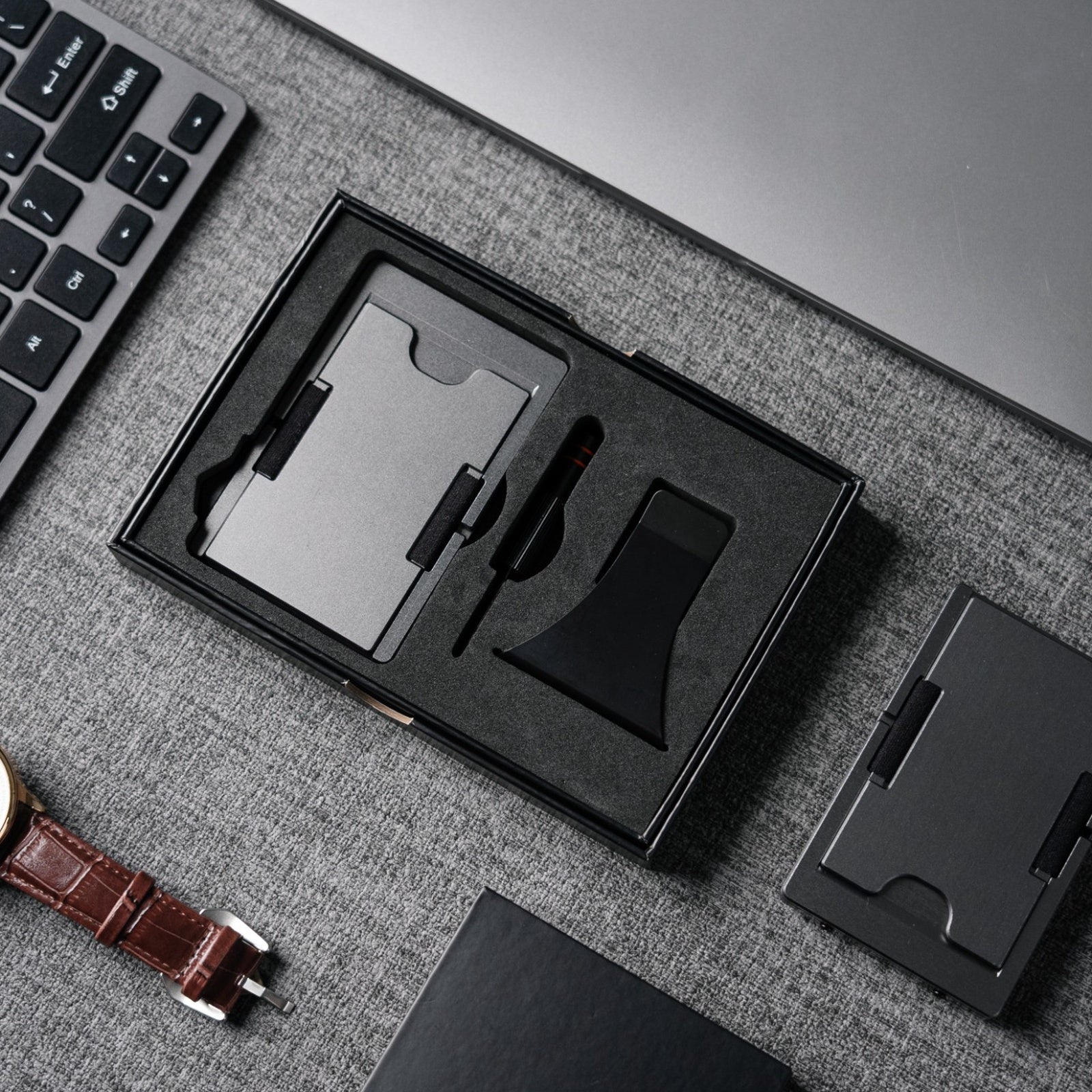
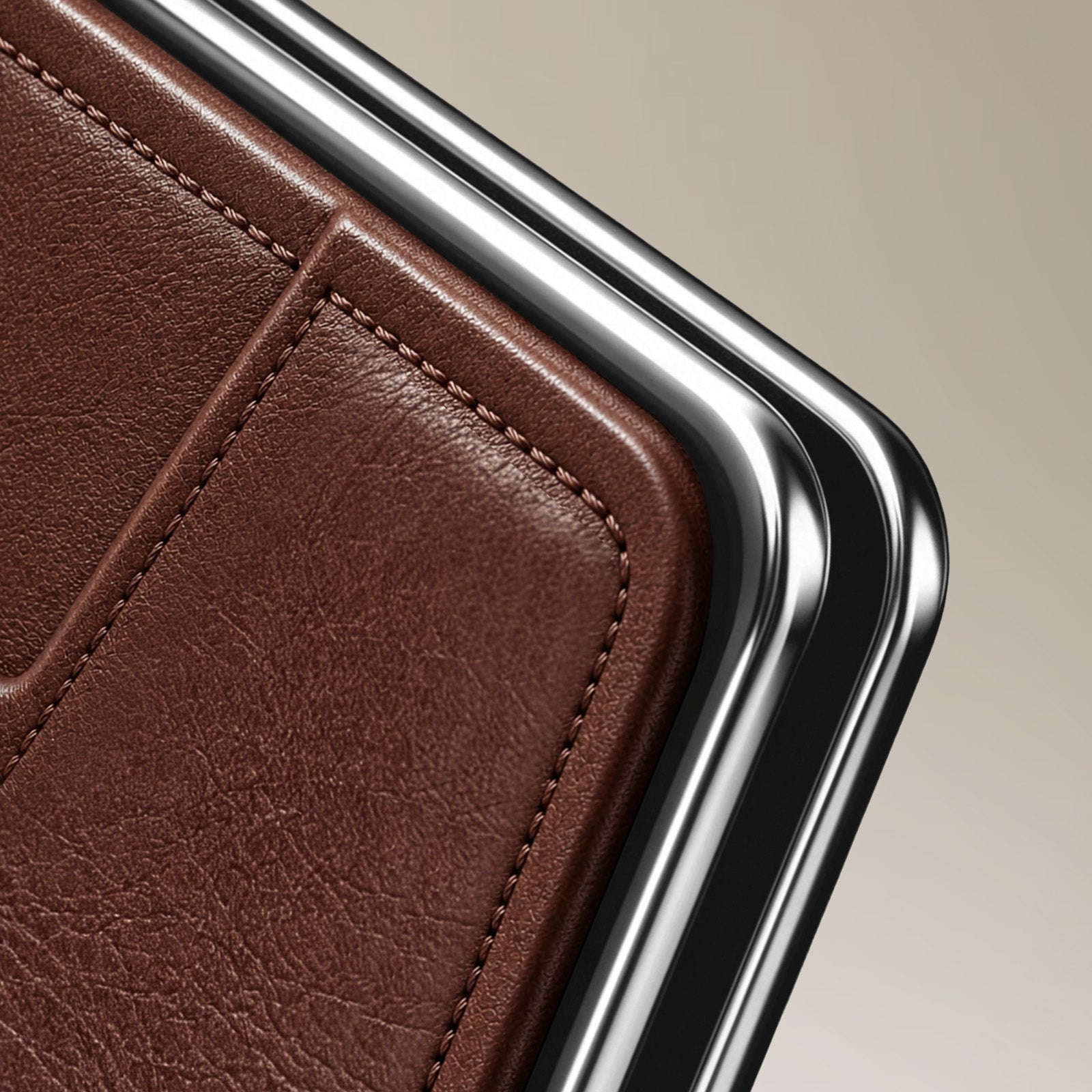
- Metal-wallet compatibility: a clip can work with a rigid aluminum cardholder that does not have a conventional bill compartment.
The trade-off is that a clip does not create a coin pocket. It also leaves more of the cash exposed than a closed bill compartment. If you're handling several bills of different denominations, check whether you can remove one without pulling out the entire stack. Clip pressure and convenience vary by product and how much cash is inserted.

SLIMWALT example: MAGIC SPACE PRO 2.0 combines an integrated money clip, an ID window, a six-card pop-up chamber and separate expandable card storage. Its published dimensions are approximately 10 × 6.5 × 1.3 cm, with a listed weight of 115 g. This is a better starting point for someone who needs both quick card access and extra card capacity than for someone who wants the lightest possible wallet.
Who should skip a clip? If you frequently carry coins, receipts or a thick assortment of cash, an external clip is unlikely to be your most organized option. Compare a pocket or a traditional bill compartment instead.
When Is a Stretch Cash Pocket Better?
A stretch pocket is a more flexible alternative. It can hold folded bills and, depending on the design, certain small essentials that would be awkward under a metal clip. That makes it worth considering if your carry changes during the week: perhaps two bills on Monday, some change after lunch on Tuesday, and an extra card for a trip.
However, flexible does not mean unlimited. Added items increase the wallet's loaded thickness, and the contents may be less immediately visible. A stretch pocket should also not be treated as the same thing as a zippered coin compartment. If coins are part of your daily routine, evaluate how securely the exact pocket holds them when you retrieve your phone, sit down or take the wallet out.

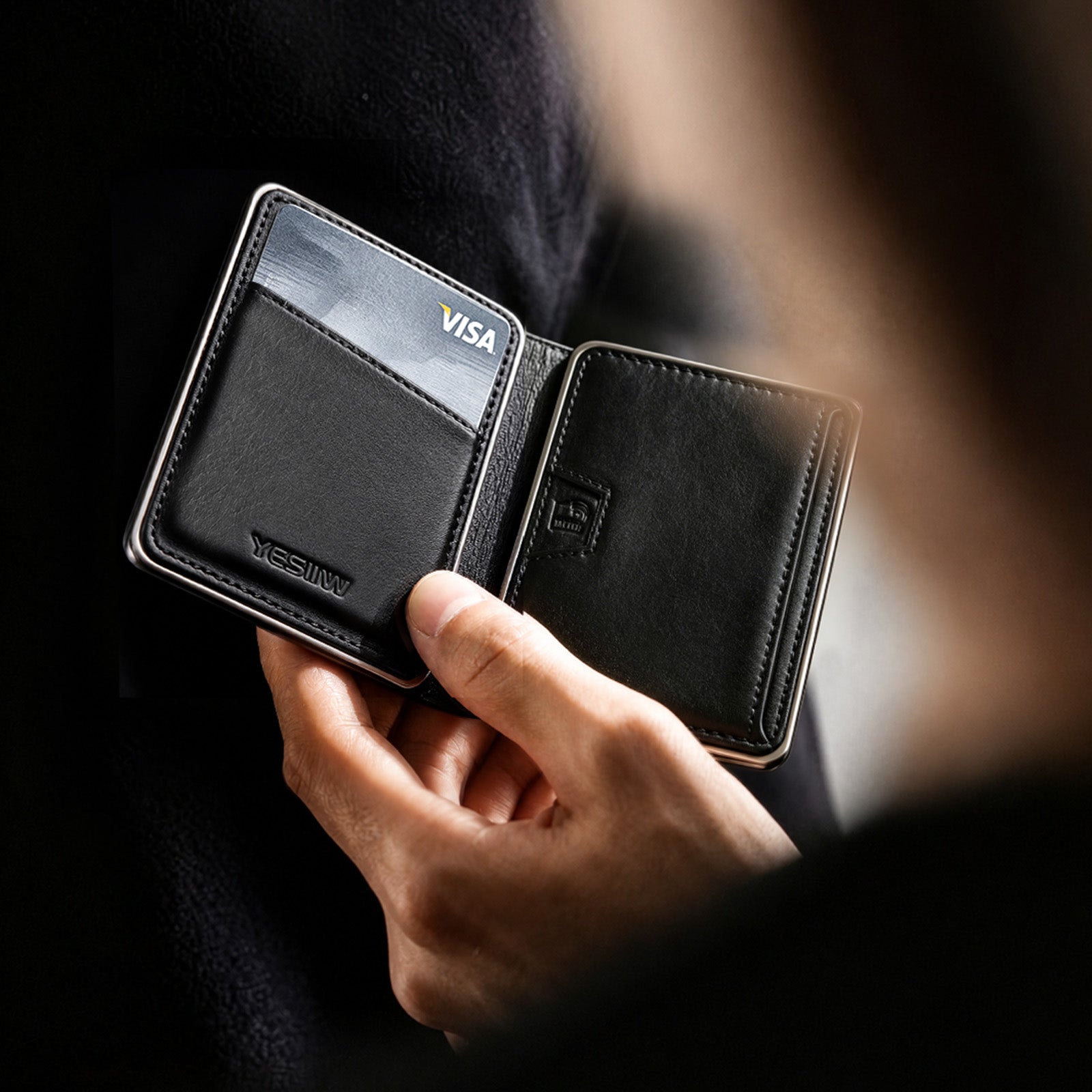
SLIMWALT example for higher card counts: MAGIC SPACE AIR — Lycra Money Pocket lists a six-card pop-up chamber, separate storage for up to 15 additional cards, and a Lycra section for folded bills and small essentials. The published size is 11 × 6.5 × 1.4 cm, with a listed weight of 84 g. Those are the manufacturer's unloaded dimensions and weight—not measurements of a fully packed wallet.
SLIMWALT example for simpler carry: the SLIM WALLET — Lycra Money Pocket & ID Window lists a six-card chamber, one ID window and a flexible cash pocket. Its listed weight is 65 g. It's a more focused choice if you do not need the Magic Space model's separate high-capacity card section.
What About a Money Band or Cash Strap?
A band sits between the two formats. Like a clip, it keeps folded bills against the wallet rather than storing them inside a pouch. Unlike a rigid metal clip, an elastic band uses stretch to hold the stack in place. There is less hardware, but the band also offers little separation for coins or small objects.
A money band is worth comparing if you carry bills occasionally, favor a straightforward setup and do not need a dedicated change compartment. Check the band placement, how it feels against your pocket and how easily you can remove one bill. Bands and clips can both change the wallet's silhouette once loaded, even if the empty body is slim.

SLIMWALT example: MAGIC SPACE LITE pairs an elastic money band with an ID window, a six-card pop-up chamber and additional Magic Space storage. Its product page lists up to 18+ cards in total and a 92 g weight. As with any manufacturer's maximum capacity, your actual fit depends on the cards and cash you're carrying.
If You Carry Coins, Is a Zippered Pocket Worth It?
For someone who regularly receives change, a zippered pocket solves a different problem: containment. Loose coins can migrate inside a stretch pouch or simply have nowhere suitable to go under a clip or band. A zipper helps keep them together until you need them.
The downside is familiar. Zippers, folds and multiple compartments add material. If your first priority is the flattest possible front-pocket setup, a zippered wallet may feel larger than a bare cardholder or clip design. That does not make it a worse wallet; it means it serves a different daily-carry habit.

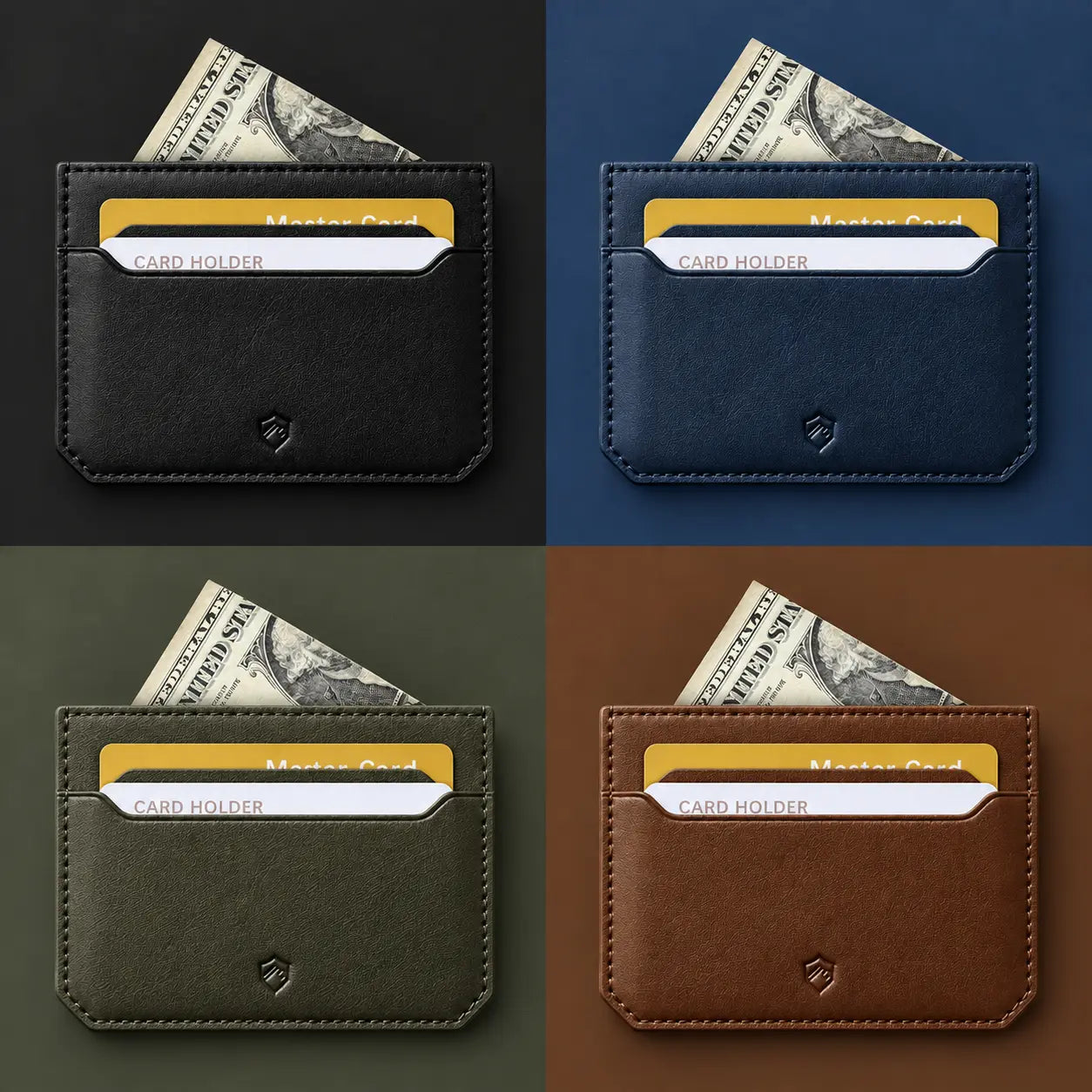
SLIMWALT example: the VEGAN POP-UP WALLET — Zipper Coin Pocket lists storage for up to 10 cards, an ID card, folded bills and approximately six coins, depending on the variant. Unlike the open money-clip layouts above, its zippered section is intended specifically for small change. Check the exact listing and photos before buying because similarly named versions have different specifications.
Four SLIMWALT Layouts Compared
These examples illustrate how different cash systems work with real SLIMWALT products. They are not an independent hands-on ranking; the figures are published model specifications, and products were not measured after loading.
| Model / version | Cash format | Published card storage | Listed weight | Best starting point for |
|---|---|---|---|---|
| Magic Space Pro 2.0 | Integrated money clip | 6 pop-up + up to 15 extra | 115 g | Multiple cards, quick bill access, ID |
| Magic Space Air — Lycra | Stretch money pocket | 6 pop-up + up to 15 extra | 84 g | Cards plus flexible bill and small-item storage |
| Magic Space Lite | Elastic money band | 6 pop-up + up to 12 extra | 92 g | A simple bill attachment plus ID access |
| Vegan Pop-Up — Zipper | Zippered coin pocket | Up to 10 cards in the linked version | 123 g | Cards, bills, ID and regular coin carry |
Specs reflect the linked versions as published October 30, 2026. Listed weights do not include the contents you add. SLIMWALT sells multiple versions with similar names, so confirm the exact variant before checkout.
Which Wallet Should You Choose for Your Actual Routine?
Instead of choosing the storage method that sounds most advanced, take inventory of what goes in your wallet on an ordinary day. Here are five practical scenarios:
- Five or six cards, plus one or two bills: start with a compact cardholder and simple cash attachment. An expandable high-capacity wallet may be unnecessary.
- Ten or more cards, plus folded bills: look for a pop-up chamber plus separate card storage, then choose a clip if bill access matters or a pocket if flexible storage matters.
- Cards, a driver's license and occasional change: check an ID-window wallet with a money pocket, including how easily you can remove your ID when needed.
- Coins almost every day: prioritize a zippered compartment over an exposed clip or band.
- Mostly cash with many full-size bills: compare a slim bifold with a conventional bill compartment. A minimalist clip system is not automatically the best answer for heavy cash use.

Five Checks Before You Buy a Slim Cash-and-Card Wallet
1. Count the bills you really carry
Do you keep an emergency $20, or do you pay with cash several times a day? A few folded bills and a thick stack need different storage. Avoid judging wallet fit from an empty-product photo.
2. Separate pop-up capacity from total capacity
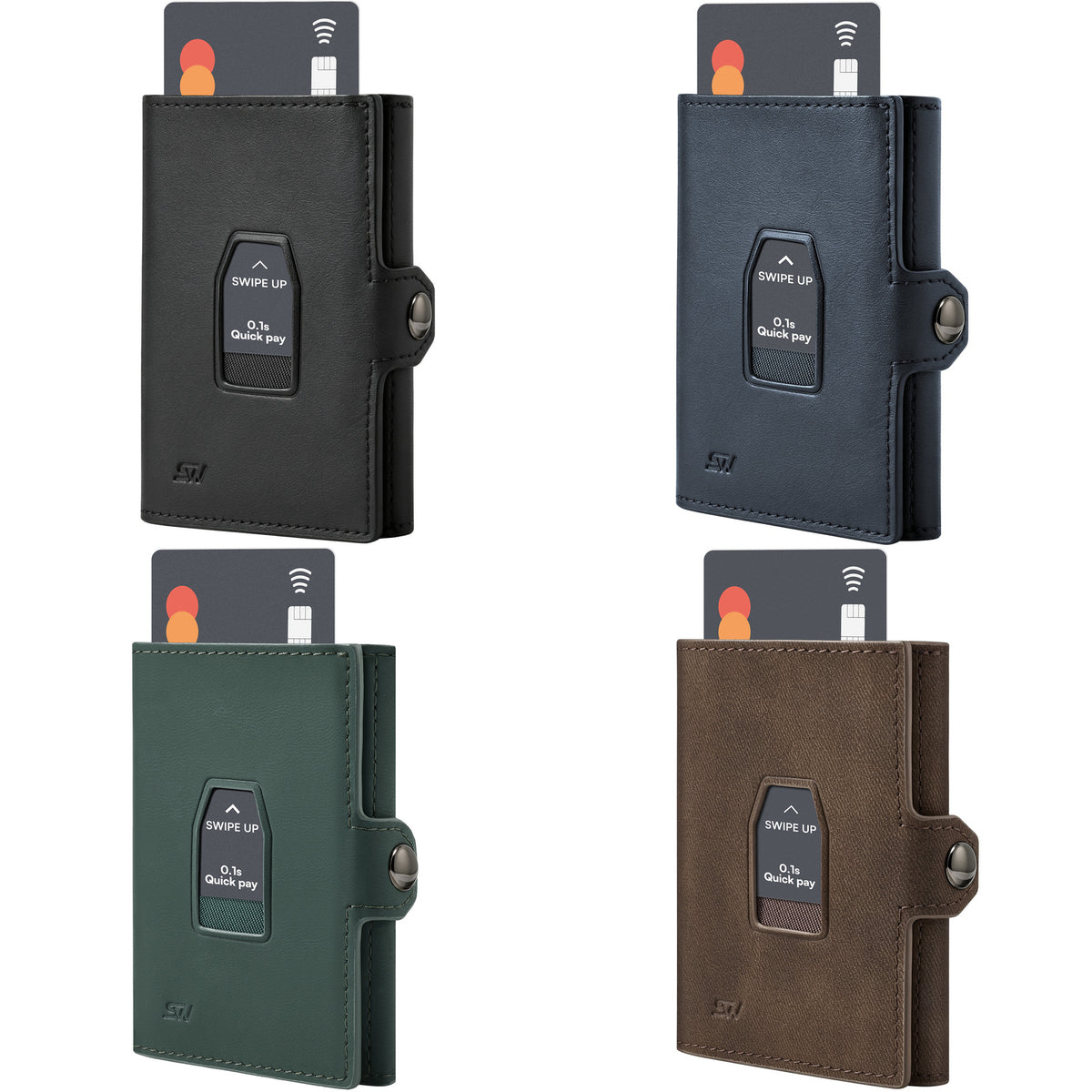
Some SLIMWALT models store up to six cards in the pop-up chamber and more cards in a separate expandable section. Additional cards do not all rise together when you press the ejector. If you are new to these mechanisms, see our guide to pop-up wallet capacity and fit.
3. Decide whether cash should be visible
An exposed clip or band makes cash easier to see and may make a quick payment convenient. A pocket keeps bills less visible, though you might have to unfold or retrieve them differently.
4. Compare loaded thickness, not only the listed dimensions
Every extra bill or coin takes space. A 1.3 cm published product thickness should not be interpreted as a guaranteed thickness when filled to maximum advertised capacity. Ask for side-view photos of a realistic load whenever possible.
5. Confirm the exact product variant
Model families may contain a clip, Lycra pouch, money band or ID-window version. Before buying, inspect the selected variant's photos, storage layout, specification table and package contents. Do not assume the features of one version apply to another with the same family name.
Frequently Asked Questions
Is a money clip better than a wallet?
A standalone clip can be convenient for a small amount of cash, but it does not organize cards like a wallet. A money clip wallet combines both. Whether it's better depends on how many bills, cards and coins you carry and whether you want cash visible or enclosed.
Can a money clip wallet hold credit cards?
Yes, when the wallet has a dedicated card chamber or slots. Check the exact number supported by the card compartment; do not assume the clip itself is designed to secure credit cards.
Does a slim wallet with a money clip hold coins?
Usually not in a dedicated way. A clip is designed for bills. If coins matter to you, look at a stretch pocket that explicitly accommodates them or, preferably for regular change, a purpose-built zippered coin pocket.
Is a money band more secure than a money clip?
Neither is always more secure. Holding force, condition, design and the amount of cash vary. Check the manufacturer’s instructions and test the loaded wallet with your normal bills rather than assuming a band or clip will fit every stack equally well.
What is the best minimalist wallet for cash and cards?
For mostly cards and a few bills, consider a compact wallet with a clip or band. For cards plus mixed everyday items, a flexible pocket may make more sense. If you carry coins regularly, a zipped design or slim bifold with a dedicated compartment could be more practical.
Will a 20-card wallet stay thin when full?
No. A model's advertised total card capacity can include multiple storage areas. Carrying more cards, bills or coins adds bulk. Compare the wallet with the amount you expect to carry, not just the empty-case dimensions.
The Bottom Line
Choose your cash system before you choose your wallet. Money clips favor visible, quick-access bills. Stretch pockets give you flexible space for folded cash and small essentials. Bands keep a simple external cash attachment. Zippers are the stronger choice when you need a dedicated place for coins.
If you carry several cards, remember that total capacity and pop-up capacity are different. Choose the smallest layout that fits your actual contents—and check the linked model's specifications before purchasing.
Compare SLIMWALT Magic Space wallet styles → or browse all wallet designs.
About this guide: Prepared by SLIMWALT using publicly listed product specifications reviewed October 30, 2026. The comparisons describe design features and buying trade-offs; they are not hands-on wear tests, coin-retention tests or independent durability rankings. Product configurations and published specifications can change.

De SLIMWALT

Dejar un comentario
Este sitio está protegido por hCaptcha y se aplican la Política de privacidad de hCaptcha y los Términos del servicio.