

How to Find a Lost Wallet: 10 Places to Check First
Quick answer: If you cannot find your wallet, pause and reconstruct the last few places you used or handled it. Check your clothes, bags, car, furniture, entryway, workplace, and the last business you visited in that order. If your banking app allows it, temporarily lock the missing cards while you search. If you see an unauthorized transaction, believe the wallet was stolen, or know it is outside your control, contact the card issuer immediately rather than waiting to finish the checklist.
A missing wallet can trigger a frantic search, but random searching usually means checking the same pocket three times and forgetting the places where wallets actually disappear. A better approach is to work backward from the last confirmed moment you had it, protect anything sensitive, and search one location at a time.
What to Do in the First Five Minutes
Before turning the entire house upside down, take these four steps:
- Stop moving. Set down anything you are carrying so you do not create more possible locations.
- Check your account activity. Look for purchases or withdrawals you do not recognize.
- Temporarily lock your cards if the feature is available. Many issuers let you lock a card in their official app while you search. Follow your issuer's instructions.
- Write down the last confirmed use. Record where you were, what you bought, what you wore, how you traveled, and where you went next.
A temporary lock can buy you time when the wallet is probably nearby, but it is not a substitute for reporting a card that is lost or stolen. Policies and protections vary, so use the official app, phone number, or website of each issuer.
How to Find a Lost Wallet: 10 Places to Check
1. The last place you paid
Start with the last confirmed transaction, not the place you first noticed the wallet was gone. Check the counter, self-checkout area, restaurant table, bar, gas station, or ATM. Call the business and ask for its lost-and-found desk. Give a simple description without listing every card or revealing sensitive information.
2. Every pocket in the clothes you wore
Check front pockets, back pockets, jacket linings, inner chest pockets, and any small zip compartment. Turn pockets inside out. If you changed clothes after coming home, look in the laundry basket and around the place where you changed.
3. Bags, backpacks, and shopping totes
Empty each bag completely. A slim wallet can slide behind a laptop sleeve, under a removable bag liner, or into a side pocket you rarely use. Check grocery bags, delivery packaging, and reusable totes from the same trip.
4. Your car
Use a flashlight and inspect the gap between the seat and center console, under both front seats, door pockets, cup holders, glove box, trunk, and the floor beneath loose items. If someone else drove, check the passenger-side area first.
5. The sofa, bed, and other soft furniture

Remove cushions instead of reaching between them. Check under the furniture and inside blankets, bedding, and recliner mechanisms. Wallets often fall out when someone sits down, changes position, or removes a jacket.
6. Your usual home drop zones
Look around the entryway, kitchen counter, desk, nightstand, bathroom shelf, charging area, and any tray used for keys. Then check one step beyond the obvious surface: behind the tray, underneath mail, beside the trash can, and on the floor near the door.
7. Places where you used your phone
People often set down a wallet while answering a call, scanning a QR code, checking directions, or picking up an order. Revisit the location where you last used your phone during the same trip.
8. Work, the gym, or another routine stop
Check your desk drawers, locker, break room, reception desk, restroom, and any place where you changed clothes. Contact the location directly and ask whether staff can check the exact area you used.
9. Your ride
If you used a rideshare, taxi, bus, train, or shared vehicle, open the provider's official app or website and follow its lost-item process. Avoid posting your full home address, card details, or driver's-license information in a public group.
10. Lost and found or local authorities
Contact the lost-and-found office for the mall, venue, transit system, campus, or building. If you reasonably believe the wallet was stolen, or it contained sensitive identification, consider making a police report. A report does not guarantee recovery, but it can create a useful record for replacement or fraud procedures.
Search by Timeline, Not by Room
If the first search fails, rebuild the day as a sequence:
- Where did you last see the wallet?
- What did you do immediately afterward?
- Did you walk, drive, sit down, change clothes, or open a bag?
- At which moments would you have needed both hands?
- Who was with you, and can they remember where you placed it?
This method is more reliable than moving from room to room because it follows the actions that could have caused the wallet to fall, slide, or be left behind.
Can You Track a Lost Wallet?

You can track a wallet only if it already contains a compatible tracking device or has a dedicated tracker compartment. A phone may show a last-known or network-reported location, but that location is not always live or precise. Walls, signal availability, battery status, and the size of the surrounding area can all affect what you see.
Two common formats are:
- Coin-shaped trackers: Often fit a dedicated external or internal holder, but may add a noticeable bump.
- Card-shaped trackers: Usually spread their thickness across a larger area and can fit a conventional card slot, but battery and charging designs vary.
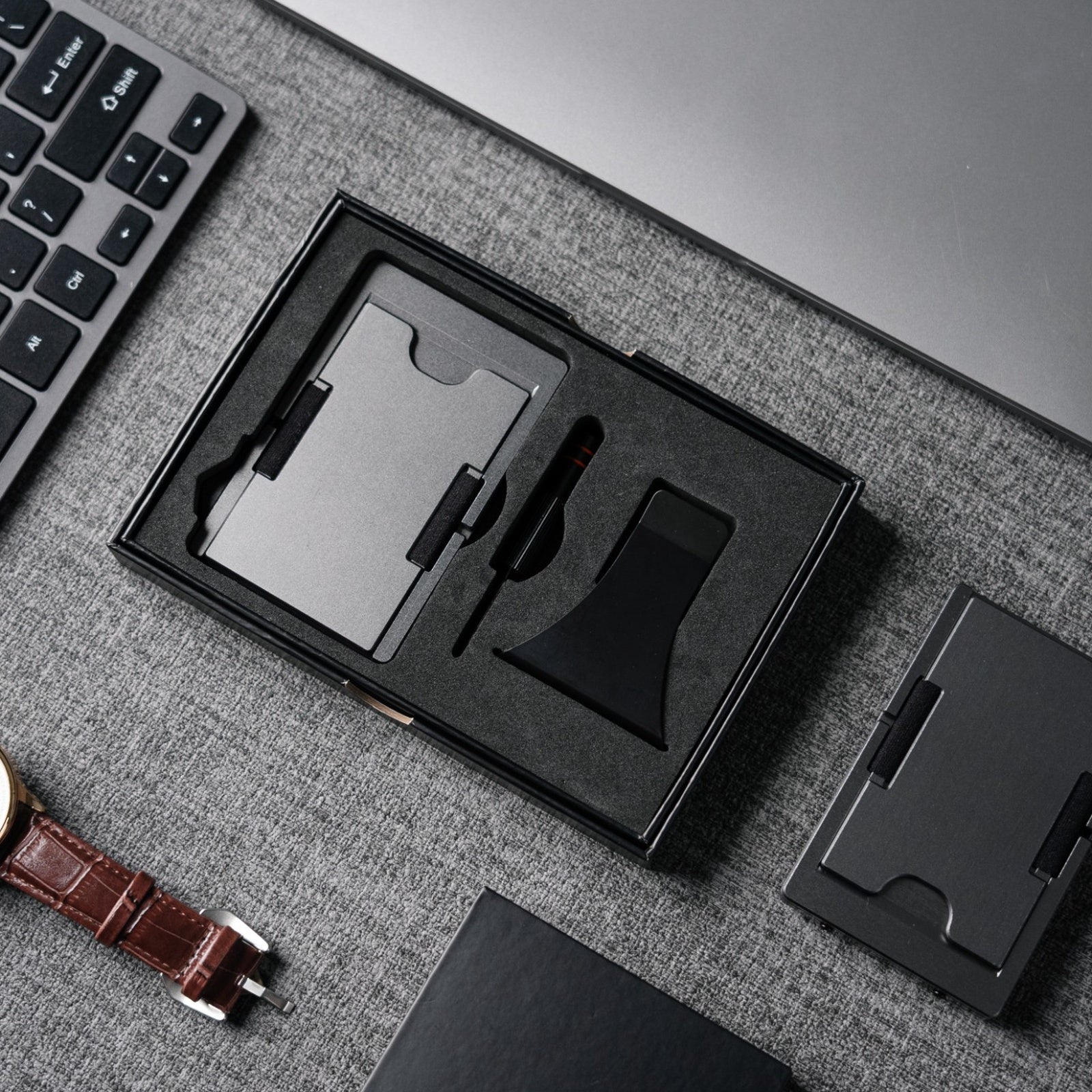
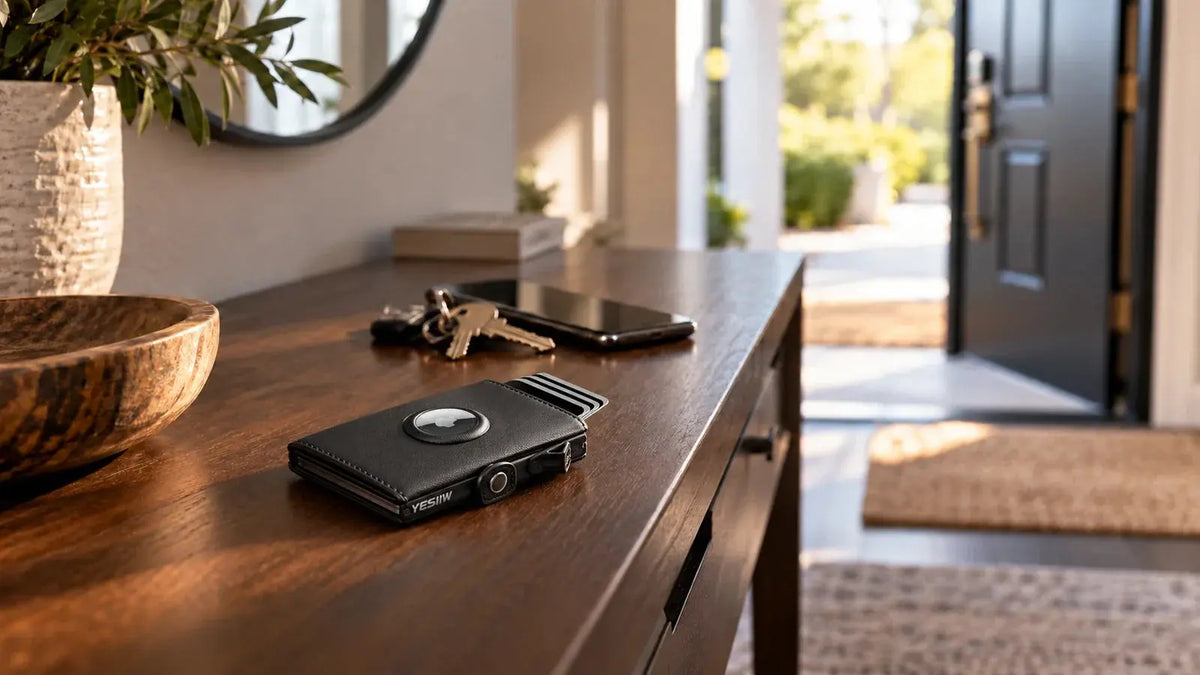
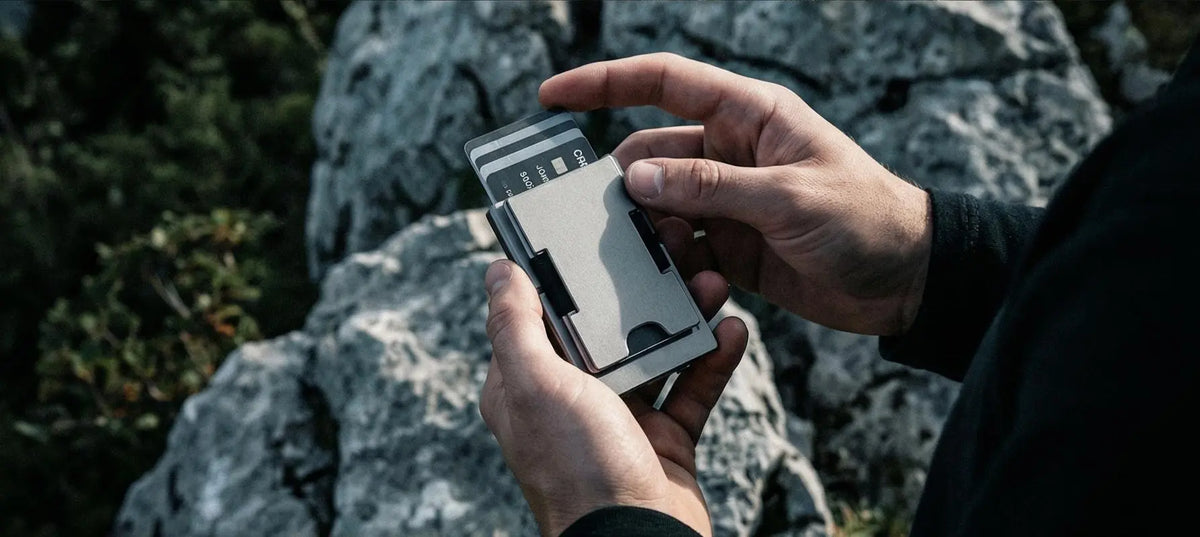
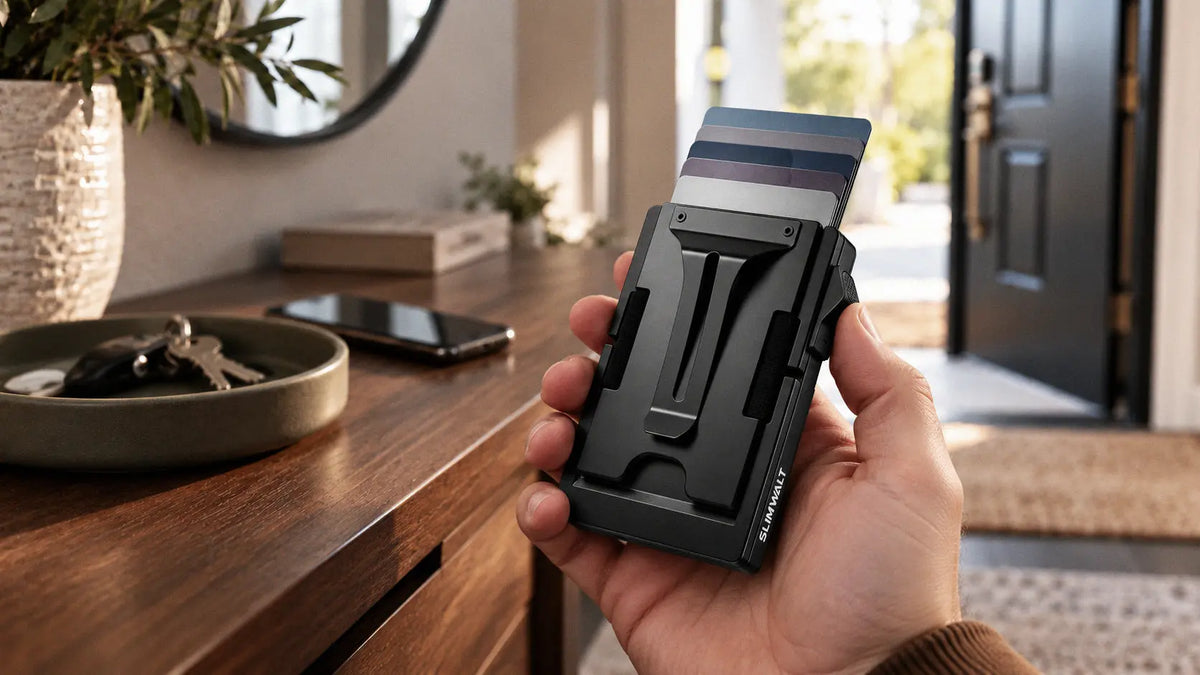
Choose based on compatibility with your phone, network coverage, battery or charging method, thickness, and how securely the tracker stays inside the wallet. If you prefer a wallet designed around a coin-shaped tracker, browse the SLIMWALT AirTag Wallet collection and verify the exact tracker compatibility listed on the product page before ordering.
Safety note: Do not enter private property or confront someone based only on a tracker location. If the device appears to be moving or shows an unfamiliar address, contact local authorities and follow their guidance.
When Should You Lock or Cancel Your Cards?
| Situation | Practical next step |
|---|---|
| Probably misplaced at home; no unfamiliar transactions | Use the issuer's temporary card-lock feature if available, then complete a focused search. |
| Left at a known business that confirms it has the wallet | Keep cards locked until the wallet is physically back in your possession, then inspect the accounts. |
| Unknown location or wallet outside your control | Contact each issuer promptly and follow its lost-card procedure. |
| Unrecognized purchase or ATM withdrawal | Report the transaction and the missing card immediately through official issuer channels. |
| Wallet appears stolen or contains sensitive identity documents | Report cards, replace identification as required, document what happened, and monitor for fraud. |
Prompt reporting matters especially for debit cards. The U.S. Consumer Financial Protection Bureau explains that federal liability limits for unauthorized electronic transfers can depend on how quickly a consumer reports a lost or stolen debit card. It notes that reporting within two business days of learning about the loss can limit liability to the lesser of $50 or the unauthorized transfers that occurred before notice; waiting longer can increase potential liability. Read the CFPB guidance and follow your financial institution's official instructions.
This article provides a practical checklist, not legal or financial advice. Rules, account agreements, and replacement procedures can differ.
What to Do About IDs and Personal Information
Make a list of everything that was in the wallet. Include payment cards, driver's license, work badge, health-insurance card, transit card, membership cards, and any written personal information.
- Driver's license or state ID: Use your state's official motor-vehicle agency website for replacement and reporting instructions.
- Work or building badge: Tell the employer or building security team so access can be disabled.
- Insurance cards: Contact the insurer if the card exposes identifying information.
- Social Security card: Follow official government replacement guidance and monitor for misuse. In general, avoid carrying the card every day unless you specifically need it.
If someone uses your information, opens an account, or makes purchases in your name, visit IdentityTheft.gov for an official recovery plan. The site explains how to contact affected companies, protect accounts, and place a fraud alert when appropriate.
Four Things Not to Do
- Do not publish sensitive details. A public post should not show your license number, home address, full card list, or tracker screenshot.
- Do not keep searching while unfamiliar transactions appear. Protect the account first.
- Do not assume a locked card solves every risk. The wallet may contain IDs, access badges, or information unrelated to that card.
- Do not meet a stranger alone to recover it. Use a public location and involve local authorities when the circumstances feel unsafe.
How to Make Your Wallet Easier to Find Next Time
Create one permanent drop zone

Use the same tray, drawer, or shelf every time you enter your home. Store the wallet beside your keys rather than wherever you happen to empty your pockets.
Use one consistent pocket
Switching between a jacket, back pocket, backpack, and car console creates too many possible locations. Pick one secure pocket for daily carry and return the wallet there immediately after paying.
Carry fewer unnecessary items
Remove expired cards, old receipts, spare access cards, and documents you rarely need. A smaller inventory makes it faster to identify what is missing and reduces what must be replaced.
Add a tracker before you need it
A tracker cannot help if it is sitting unused in a drawer. Pair it, test the sound and location functions, confirm notification settings, and check the battery or charging status periodically.
Keep a private inventory
Record the names of issuers and the official contact methods for the items you carry. Do not store full card numbers, PINs, or security codes in an unprotected note.
Choosing a Wallet That Is Harder to Lose
No wallet can guarantee that it will never be lost. However, a practical everyday wallet should:
- fit securely in the pocket or bag you use most;
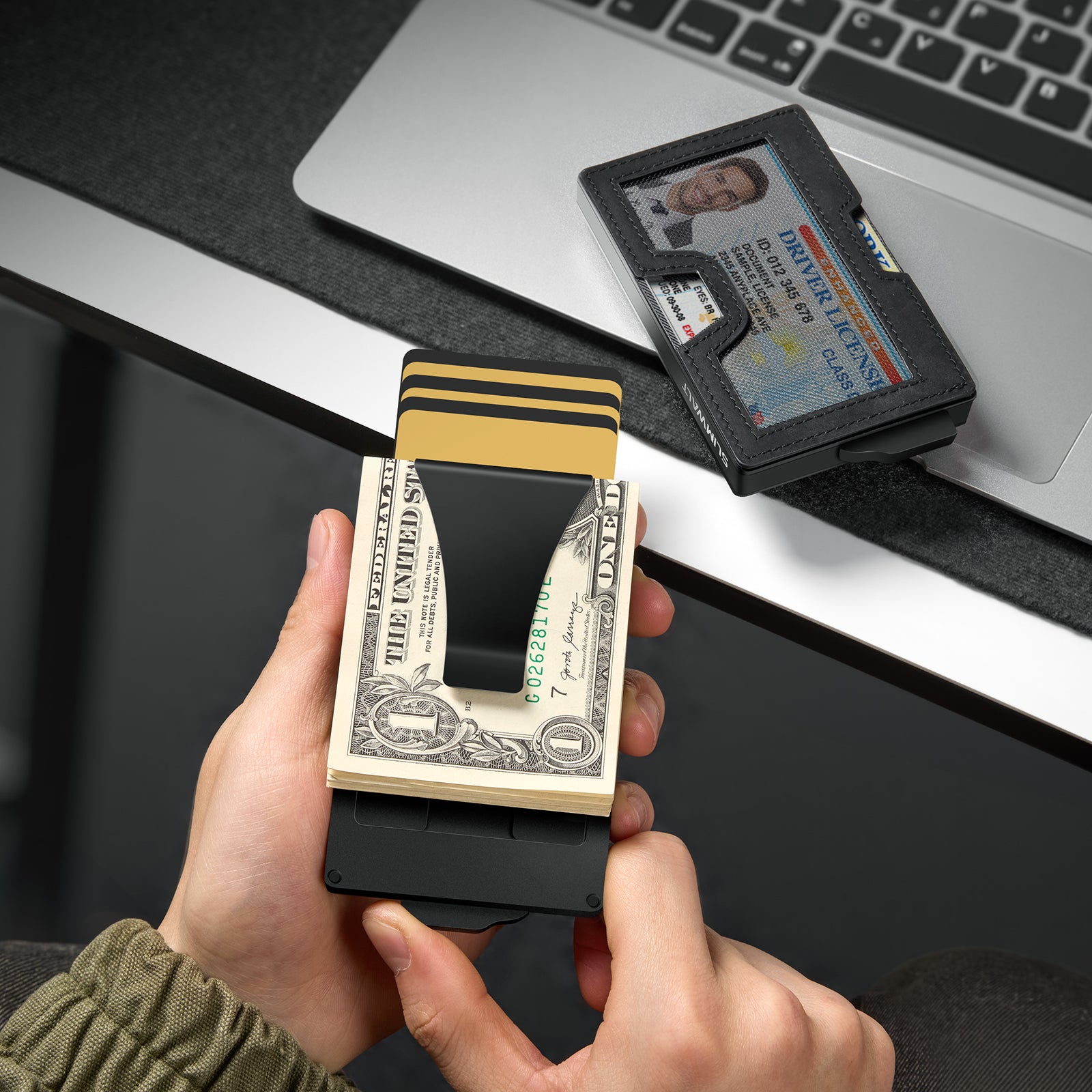
- hold cards firmly without requiring you to set the wallet down;
- give frequently used cards a consistent place;
- avoid unnecessary bulk that encourages you to carry it by hand;
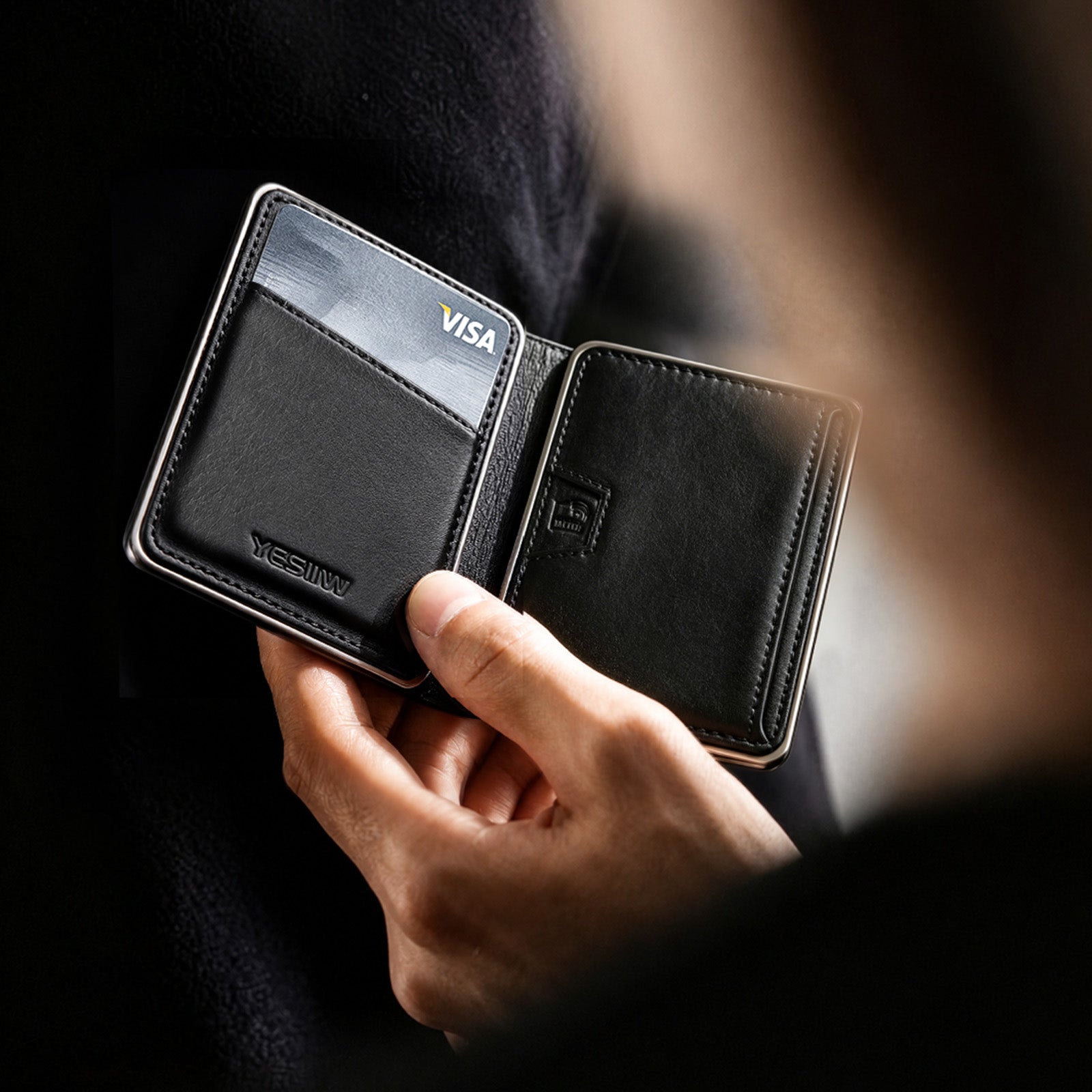
- support a tracker if location recovery is important to you.
The goal is not simply to buy the wallet with the longest feature list. It is to create a repeatable routine in which the wallet has one pocket when you are out and one location when you are home.
Frequently Asked Questions
Should I cancel my cards immediately if I lose my wallet?
If the wallet is probably nearby and there are no unfamiliar transactions, a temporary lock may give you time to search. If it is outside your control, appears stolen, or shows unauthorized activity, contact the issuer immediately. Follow each issuer's official procedure rather than relying on a general rule.
How do I find a lost wallet in my house?
Start with the clothes, bag, and route used when you entered. Then check the entryway, sofa cushions, bed, desk, laundry area, kitchen counter, bathroom shelf, and the floor around furniture. Remove cushions and empty bags completely instead of performing a quick visual check.
Can an AirTag or card tracker locate a wallet?
It can help if it was already paired, powered, and inside the wallet. Results may show a nearby signal, last-known location, or network-reported location depending on the device. Accuracy and coverage are not guaranteed.
Should I report a lost wallet to the police?
A police report may be appropriate if you believe the wallet was stolen, sensitive identification is at risk, or an issuer or government agency requests documentation. For a wallet simply misplaced at home, it is usually more useful to lock cards and complete a structured search first.
What is the first place I should check?
Check the last place where you definitely used the wallet, followed by the clothes, bag, and vehicle used immediately afterward. The last confirmed use is more reliable than the location where you first noticed it was missing.
The Bottom Line
To find a lost wallet, work backward from the last confirmed use, search the ten highest-probability locations, and protect your accounts while you look. If the wallet remains outside your control—or if any suspicious activity appears—contact issuers and replace sensitive identification promptly. Once the immediate problem is handled, a consistent pocket, a fixed home drop zone, and a compatible tracker can make the next search much shorter.

Written by SLIMWALT

Leave a comment
This site is protected by hCaptcha and the hCaptcha Privacy Policy and Terms of Service apply.